Views: 0 Author: Site Editor Publish Time: 2025-12-29 Origin: Site
Power wheelchairs offer increased independence for individuals with limited mobility. These devices are more versatile than manual wheelchairs, providing greater comfort and maneuverability. In this article, we will explore the key components, types, and benefits of power wheelchairs. Additionally, we'll cover important factors to consider when choosing the best power wheelchair for your needs.
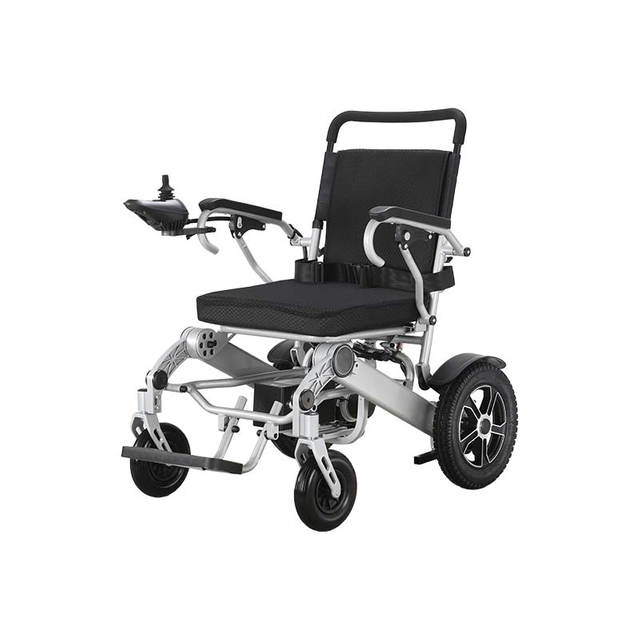
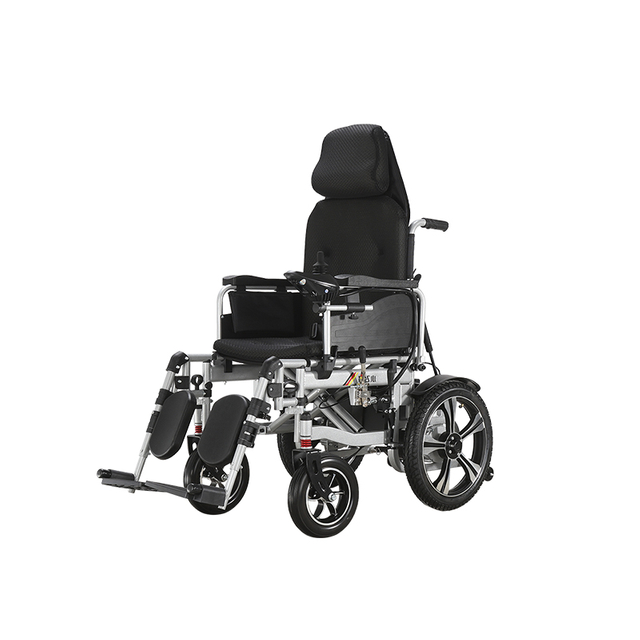
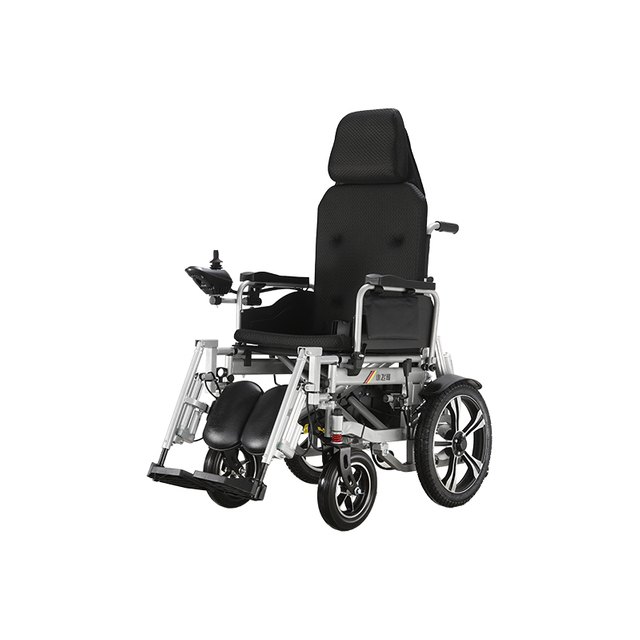
A power wheelchair, often referred to as an electric wheelchair, is a motorized device used to assist people with mobility challenges. It is designed to make navigation easier for users who find it difficult or impossible to use a manual wheelchair due to strength or motor function limitations. Power wheelchairs are powered by batteries and are controlled using a joystick or other adaptive controls, providing users with increased independence. These chairs are typically heavier and bulkier than manual wheelchairs and are often equipped with features like reclining seating, adjustable footrests, and advanced suspension systems to provide a smooth ride.
The core components of a power wheelchair include the base, motor, battery, and wheels. The base is the structural foundation of the chair, and it typically houses the motor and battery. The motor powers the wheels, allowing the wheelchair to move in various directions. Most power wheelchairs have large drive wheels at the rear, middle, or front of the chair, each configuration offering different levels of stability and maneuverability. Smaller caster wheels are used for added support and to ensure the wheelchair remains stable while in use. Batteries are essential for powering the motor, and many power wheelchairs use rechargeable batteries that can last for a full day of use depending on the model.
Battery Type | Advantages | Disadvantages |
Lead-Acid Batteries | Cost-effective, widely available | Heavier, shorter lifespan |
Lithium-Ion Batteries | Lightweight, longer lifespan, faster charging time | Higher cost |
Gel Batteries | Safer, more resistant to leaks, longer lifespan | Heavier, less energy density |
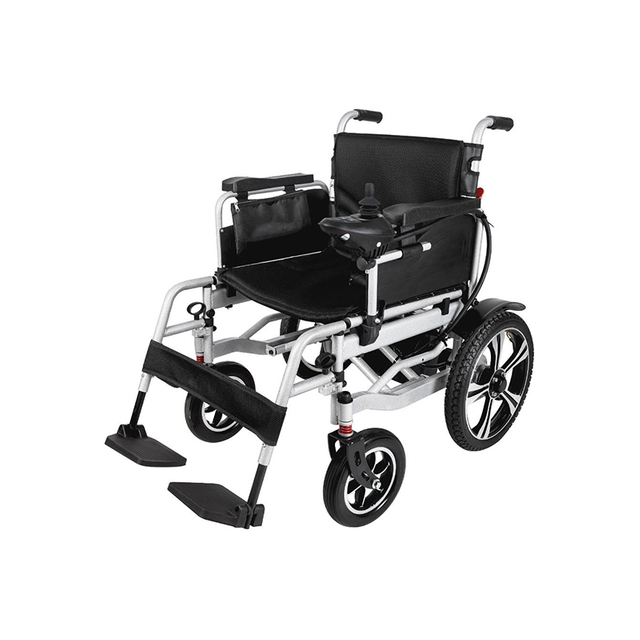
Standard power wheelchairs are designed for individuals who need basic mobility assistance for everyday activities. These wheelchairs typically offer a joystick control system that allows users to easily maneuver the chair, moving forward, backward, and turning with minimal effort. Standard models are ideal for indoor use or smooth outdoor surfaces. They often come with ergonomic seating and adjustable footrests to enhance comfort for the user.
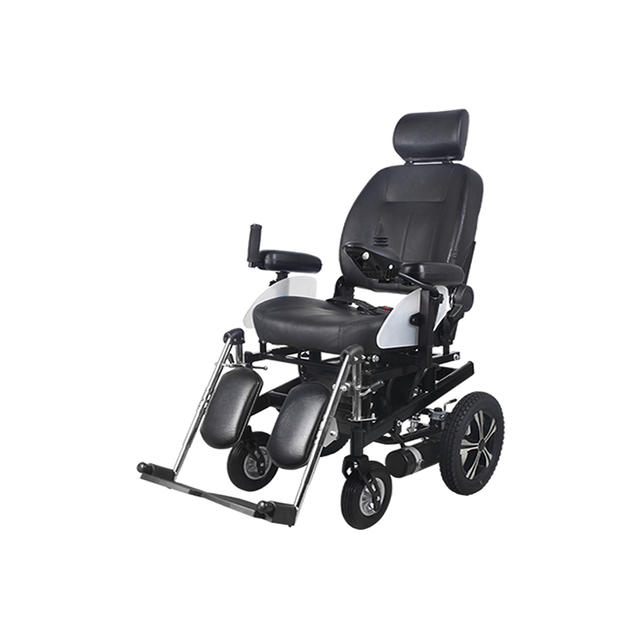
For individuals with more specific medical or physical needs, customizable power wheelchairs are available. These chairs allow for a high degree of personalization, including customized seating systems that accommodate posture, pressure relief, and support requirements. Some chairs include tilt-in-space features, power recline, and specialized backrests to ensure optimal comfort and positioning. These features can greatly enhance the quality of life for users with complex needs, making them a crucial option for those requiring more specialized support.
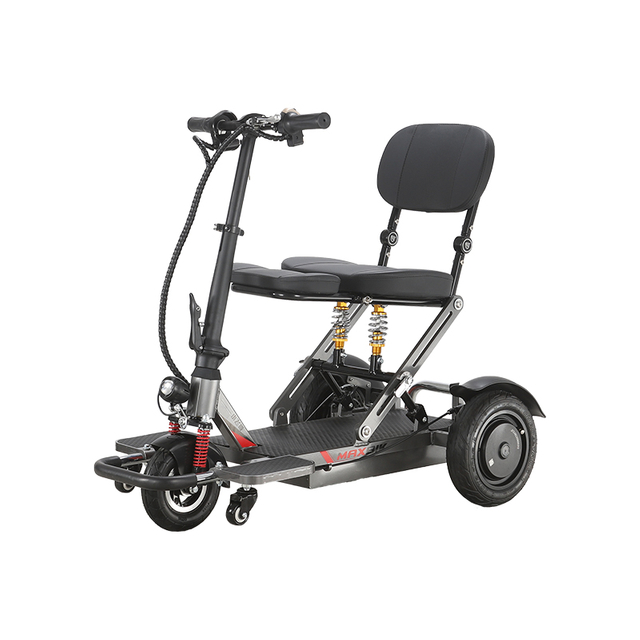
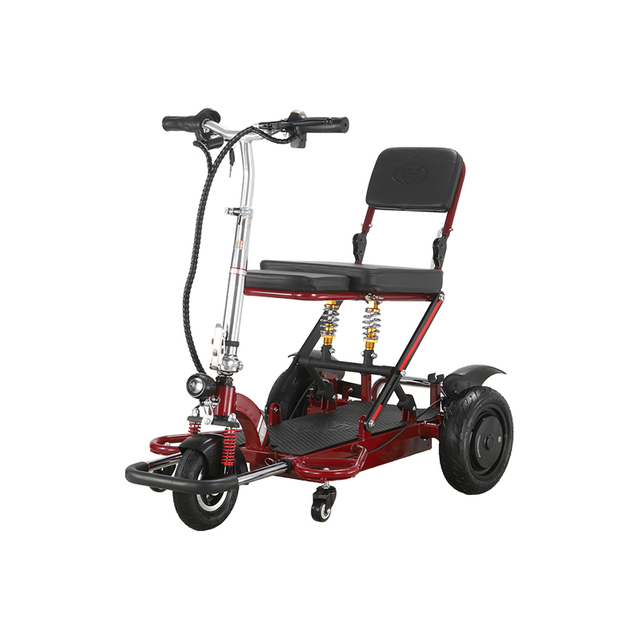
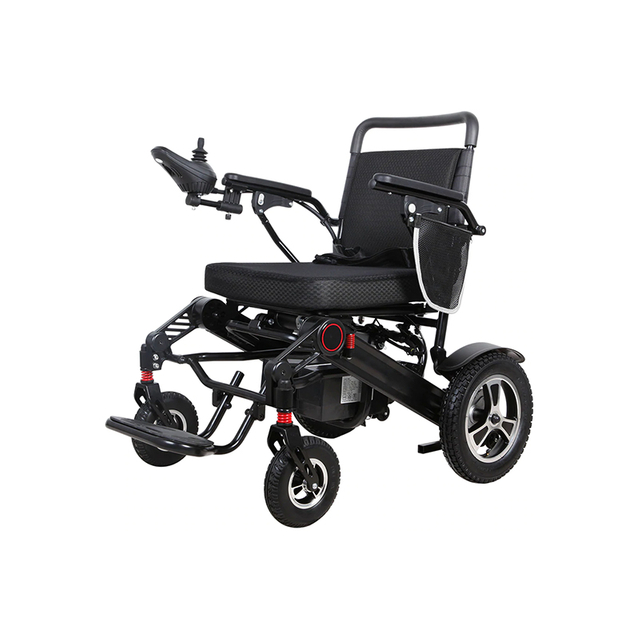
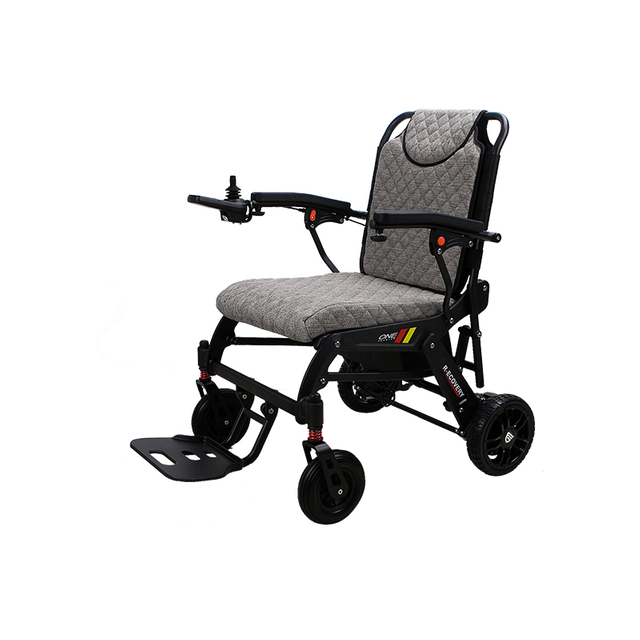
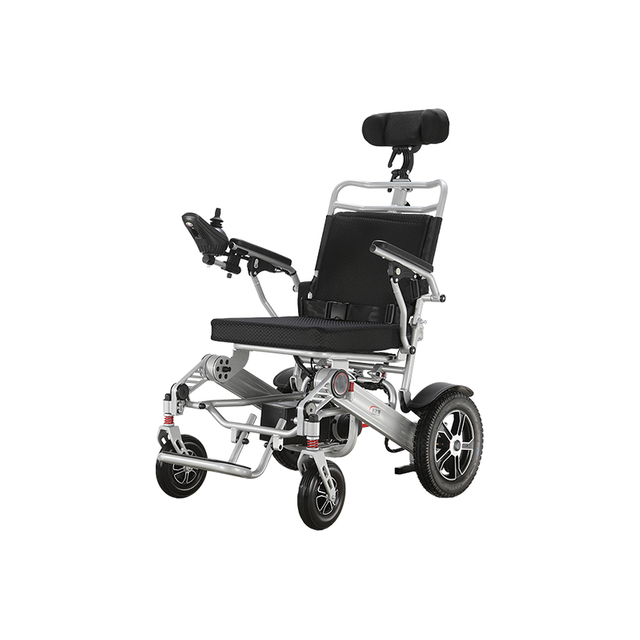
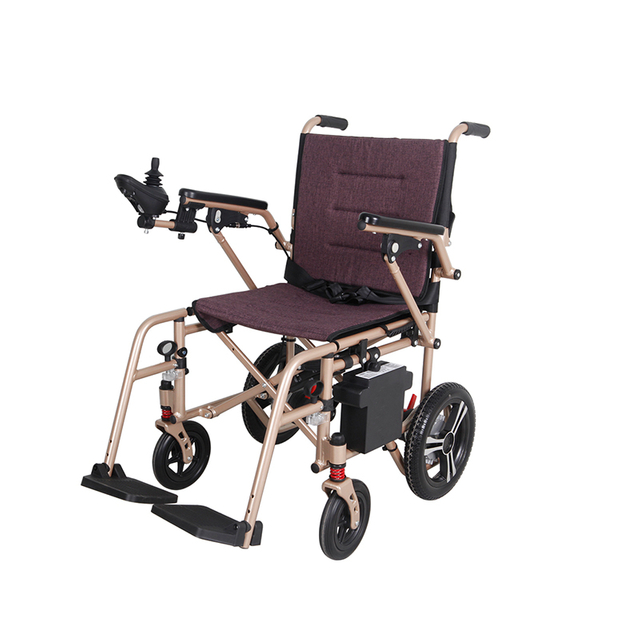
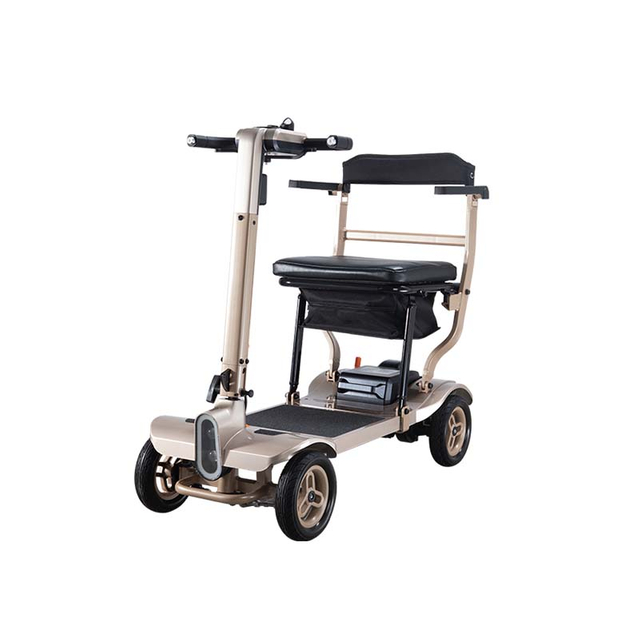
Foldable and portable power wheelchairs offer an excellent solution for users who need a mobility device that is easy to transport. These models are typically lighter and more compact, allowing users to easily fold the chair and store it in a vehicle or at home. The portability of these models makes them ideal for individuals who travel frequently or have limited storage space. Despite their lightweight design, portable power wheelchairs can still provide the necessary comfort and functionality for everyday use.
Heavy-duty power wheelchairs are designed for users who require more robust support, such as those with higher body weight or those who navigate rougher terrains. These wheelchairs typically feature a larger frame, more powerful motors, and enhanced suspension systems to ensure a smooth ride even on uneven surfaces. They often come with reinforced seating and additional stability features to accommodate outdoor use, making them suitable for users who spend a significant amount of time outdoors or on challenging terrain.
Type | Features | Best For |
Standard Power Wheelchairs | Basic joystick control, comfortable seating | Indoor use, basic mobility needs |
Customizable Power Wheelchairs | Adjustable seating, tilt-in-space, customizable features | Users with complex medical needs |
Foldable Power Wheelchairs | Lightweight, compact design, easy to fold | Frequent travelers, urban environments |
Heavy-Duty Power Wheelchairs | Stronger motors, larger frames, durable design | Outdoor use, rough terrain, higher weight capacities |

A key feature of any power wheelchair is its seating system. Many models offer adjustable seating to ensure that users are positioned comfortably throughout the day. Adjustable seating helps maintain good posture, prevent pressure sores, and improve overall comfort. Power wheelchairs may include features such as tilt-in-space, power recline, and adjustable footrests, which allow users to modify their seating position according to their comfort needs. For individuals with more complex medical conditions, a specialized seating system can be designed to provide maximum support and comfort.
Motorized wheelchair cushions and backrests are another essential feature that helps enhance user comfort. Cushions made with high-density foam or gel can relieve pressure points and prevent discomfort during extended periods of use. Some cushions are designed with cooling technology to keep users comfortable, while others offer customized solutions for pressure management. The right cushion or backrest can make a significant difference in terms of comfort, especially for individuals who spend many hours in their chair each day.
Power wheelchairs come with a variety of control systems designed to meet the user’s individual needs. The most common control system is the joystick, which allows users to steer the chair and adjust its speed. However, some individuals may need adaptive controls, such as chin or mouth controls, to operate their chair. Modern power wheelchairs may also offer advanced drive control systems with Bluetooth integration, allowing users to control their wheelchair through a smartphone or other device. This level of customization makes power wheelchairs highly adaptable to a wide range of mobility challenges.
Power wheelchairs can be customized with a variety of accessories to enhance functionality and convenience. Common accessories include cup holders, storage bags, and USB chargers for on-the-go charging of devices. Other options include headlights for better visibility and seat cushions designed for added comfort. These accessories allow users to personalize their wheelchair, making it more practical and suited to their daily needs.
Feature | Benefit | Impact on Users |
Joystick Control | Easy maneuverability with minimal effort | Increases independence for users with limited hand mobility |
Tilt-in-Space Seating | Helps with posture and pressure relief | Prevents sores, improves comfort during long periods of use |
Customizable Seating | Adjusts to user's specific body requirements | Enhances comfort and prevents discomfort for extended use |
Heavy-Duty Wheels | Designed for rough terrain and uneven surfaces | Allows users to navigate outdoor spaces with ease |
The most significant benefit of a power wheelchair is the independence it provides. Power wheelchairs allow individuals with limited mobility to move freely without the assistance of a caregiver. Users can navigate their homes, workplaces, and public spaces with ease, which greatly enhances their quality of life. Whether it’s going to the store or attending social events, a power wheelchair allows users to participate more fully in daily activities.
Power wheelchairs are designed to provide maximum comfort for users, particularly during long periods of use. The ergonomic seating, adjustable footrests, and customized seating systems ensure that users remain comfortable and supported throughout the day. Additionally, features like tilt-in-space and power recline allow users to adjust their position and relieve pressure points, preventing discomfort or pain.
One of the key benefits of power wheelchairs is their ability to improve social interactions. Being able to move independently helps users engage more easily with others, whether at home, work, or in the community. Social isolation can be a concern for individuals with mobility challenges, but a power wheelchair can open doors to greater social participation and a more active lifestyle.
When selecting a power wheelchair, it’s essential to consider the individual’s specific needs and lifestyle. Factors such as the user’s weight, the terrain they will be navigating, and their level of physical ability all play a role in determining the best wheelchair. For instance, those who primarily use their wheelchair indoors may prefer a compact, maneuverable model, while those who spend more time outdoors may need a heavy-duty chair designed for rough terrain.
Consulting with a mobility specialist is crucial when choosing a power wheelchair. A specialist can help assess the individual’s needs and recommend the best model based on factors such as seating requirements, mobility limitations, and budget. Additionally, test-driving different models can help users find the chair that offers the best fit and comfort.
The cost of a power wheelchair varies depending on the features and customization options. Standard models typically cost between $1,000 and $3,000, while more advanced models with custom seating, enhanced suspension, and additional features may cost $5,000 or more. Specialized chairs designed for outdoor use or heavy-duty requirements tend to be at the higher end of the price spectrum.
Many insurance plans, including Medicare, may cover part or all of the cost of a power wheelchair, depending on the user’s medical needs. It’s essential to check with insurance providers to determine eligibility and understand the requirements for coverage. Some individuals may also be eligible for financial assistance through government programs or nonprofit organizations.
Power wheelchairs are essential for individuals with mobility limitations, offering independence and enhancing quality of life. From standard indoor models to heavy-duty outdoor chairs, there's a power wheelchair for every need. Understanding key components, features, and types helps in selecting the right one. Consulting with specialists and testing different models ensures the best fit for your requirements. Zhejiang Nysin Vehicle Co., Ltd. provides innovative power wheelchairs that cater to diverse needs, ensuring users enjoy freedom and comfort.
A: A power wheelchair is a motorized mobility device designed for individuals with limited mobility. It is powered by a battery and can be controlled using a joystick or other drive controls.
A: Unlike a manual wheelchair, a power wheelchair is electrically powered, allowing users to move without manual effort. It offers greater independence, especially for those with limited strength.
A: There are several types of power wheelchairs, including standard models for indoor use, heavy-duty models for rough terrain, foldable power chairs for portability, and customizable chairs for specific needs.
A: The cost of a power wheelchair depends on the model, features, and customization. Prices generally range from $1,000 to over $5,000 depending on these factors.
A: Key features to consider include seating comfort, battery life, maneuverability, drive wheel type, and terrain suitability. Each user’s needs and environment will determine the best fit.
A: Regularly charge the battery, check for tire wear, and keep the chair clean. Follow manufacturer guidelines to ensure optimal performance and longevity.