Views: 0 Author: Site Editor Publish Time: 2025-12-23 Origin: Site
Mobility aids significantly improve the independence and quality of life for those with limited mobility. When it comes to choosing the right wheelchair, power wheelchairs and motorized wheelchairs are two common options that often get confused. In this article, we will clarify the key differences between these two types, highlighting their features, benefits, and ideal uses to help you make the best choice.
By the end, you'll have a clear understanding of which wheelchair suits your needs best.
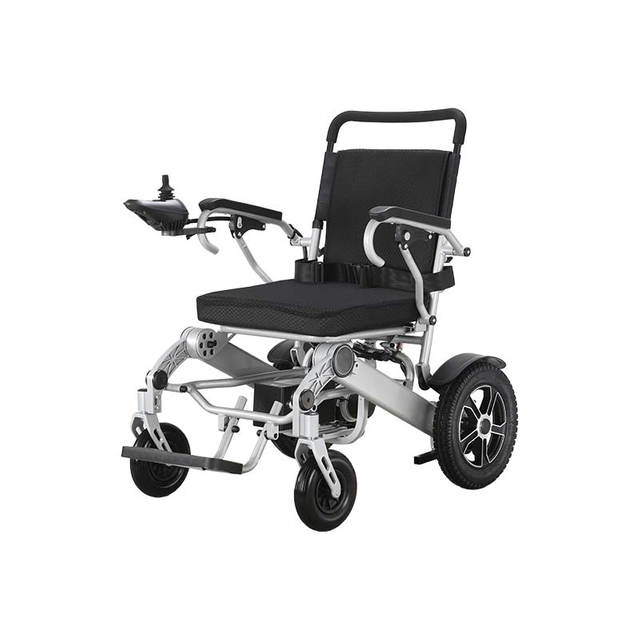
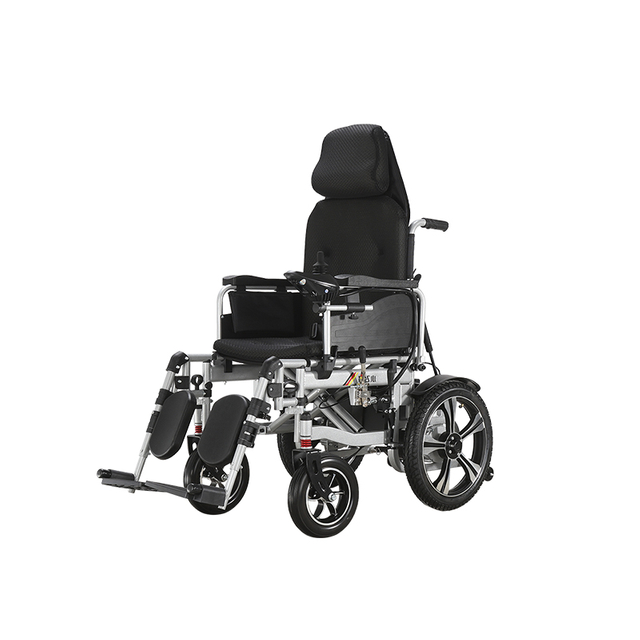
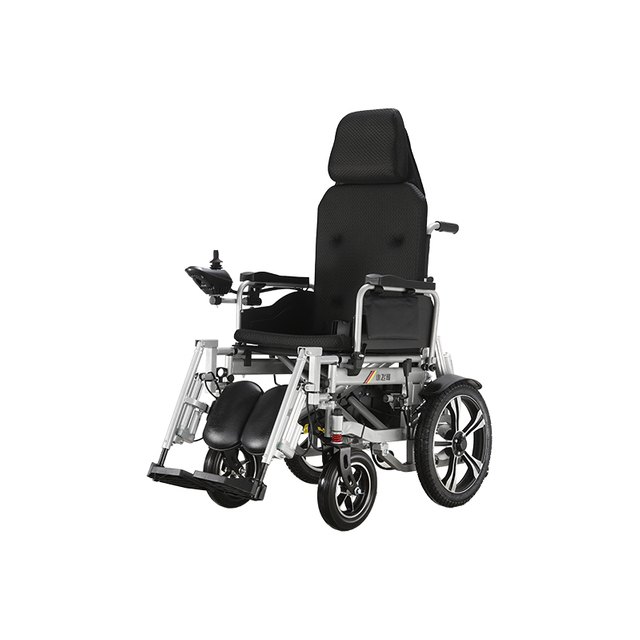
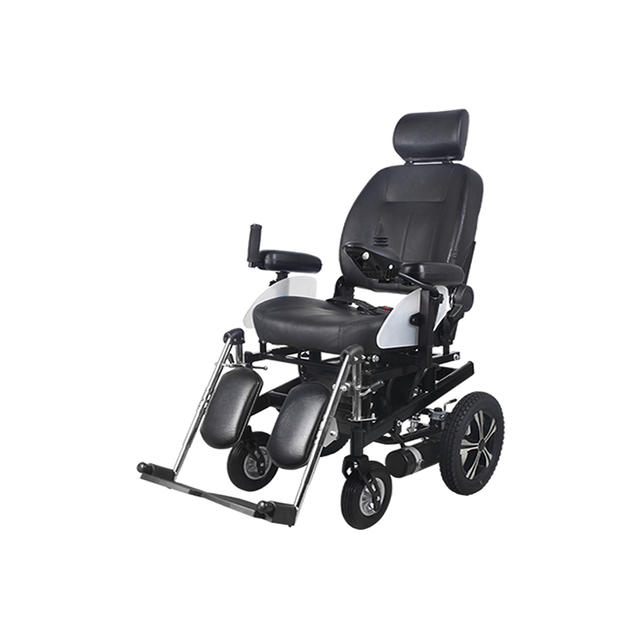
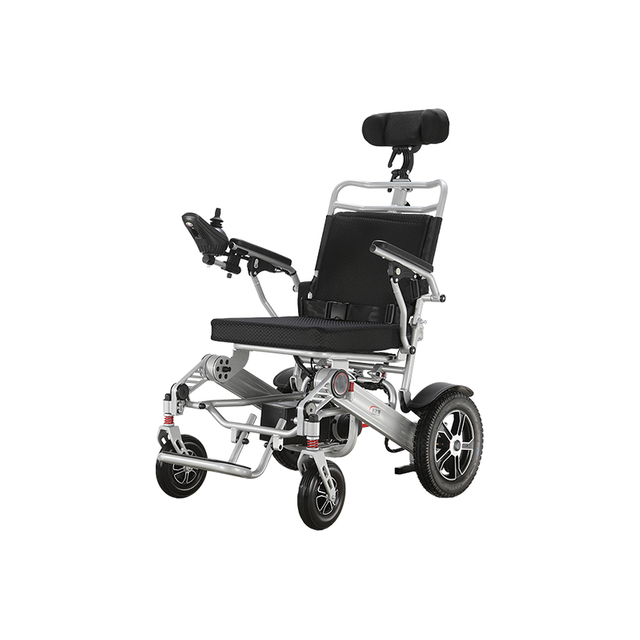
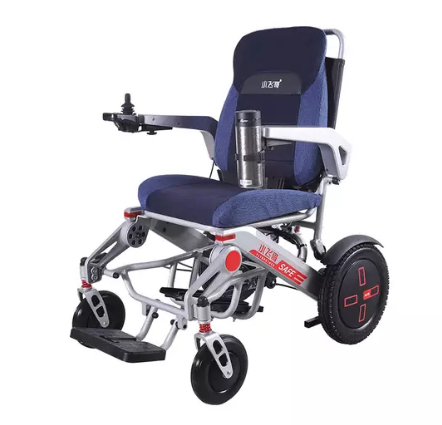
A power wheelchair, also known as an electric wheelchair, is a mobility device that is powered by batteries and motors. Unlike manual wheelchairs, which require physical effort to move, power wheelchairs are controlled via a joystick or other input devices, providing effortless movement. They are designed for individuals with limited upper body strength or those who cannot propel a manual wheelchair due to physical conditions.
One of the defining characteristics of power wheelchairs is their high level of customization. These wheelchairs can be tailored to meet the specific needs of users, offering adjustable seating, footrests, armrests, and tilt-in-space functions. Some models even allow users to adjust the seating position or recline for comfort. These advanced features help users maintain better posture, reduce pressure sores, and ensure overall comfort during extended periods of use.
Power wheelchairs are ideal for individuals with severe mobility impairments, such as those with spinal cord injuries, multiple sclerosis, or severe arthritis. They are designed to provide independence and are suitable for both indoor and outdoor use. The robust design and versatile wheels of power wheelchairs make them capable of handling various terrains, including uneven surfaces, gravel, and grass, making them a preferred choice for individuals who need to travel outdoors frequently.
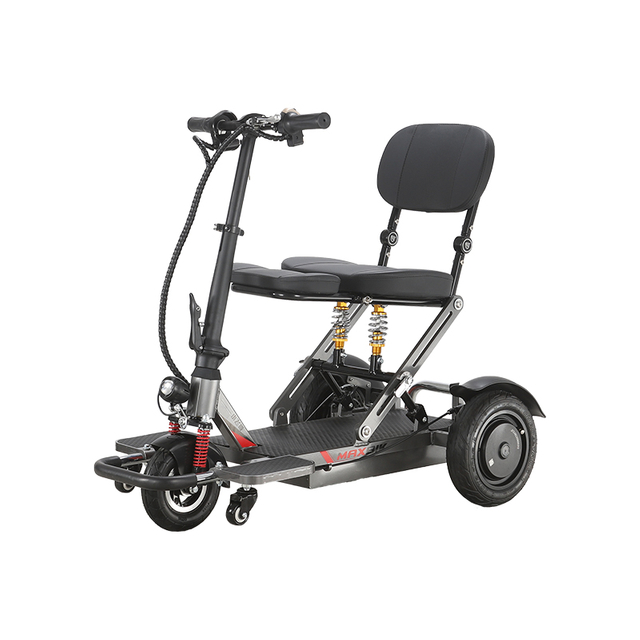
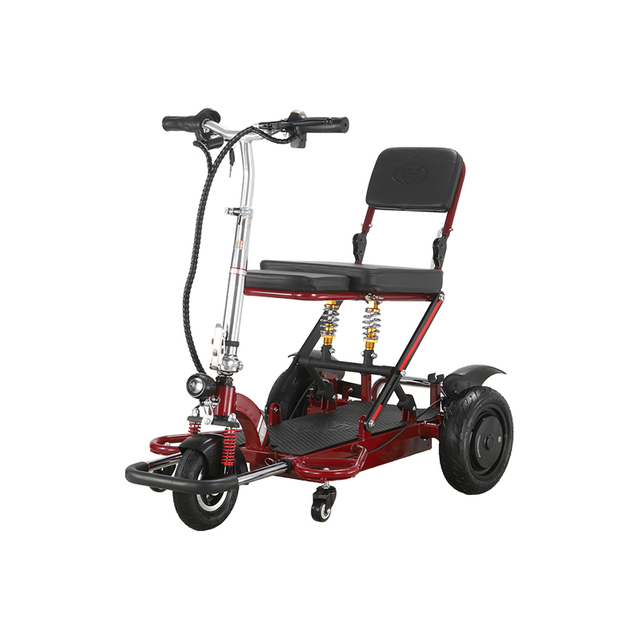
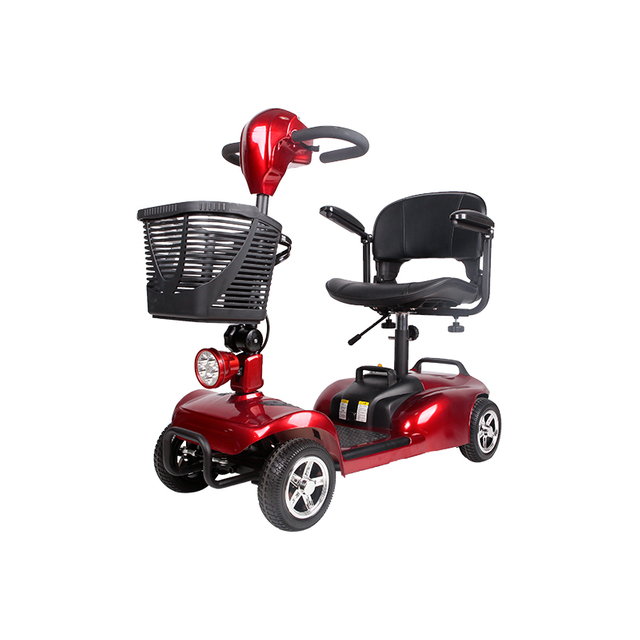
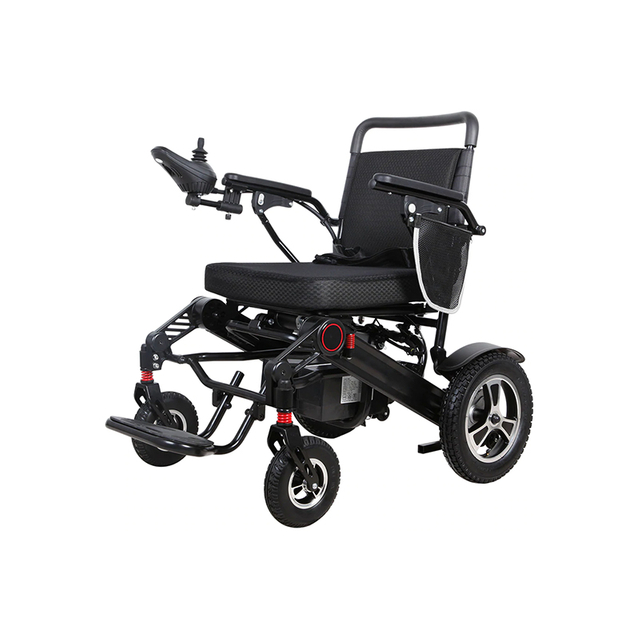
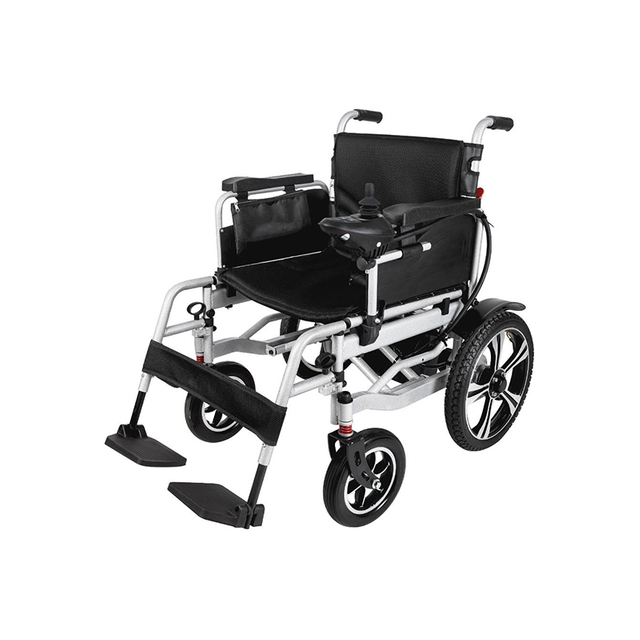
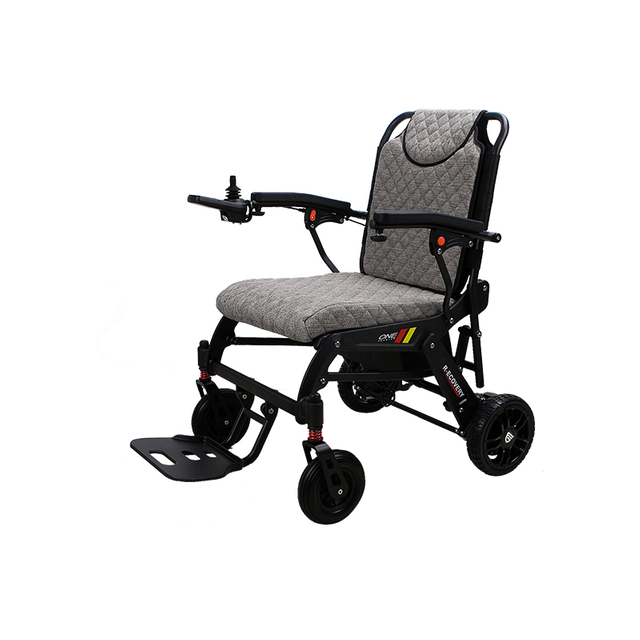
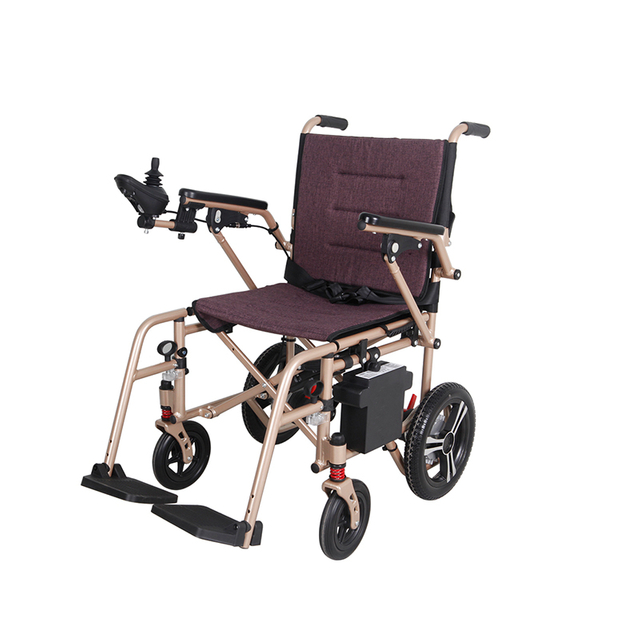
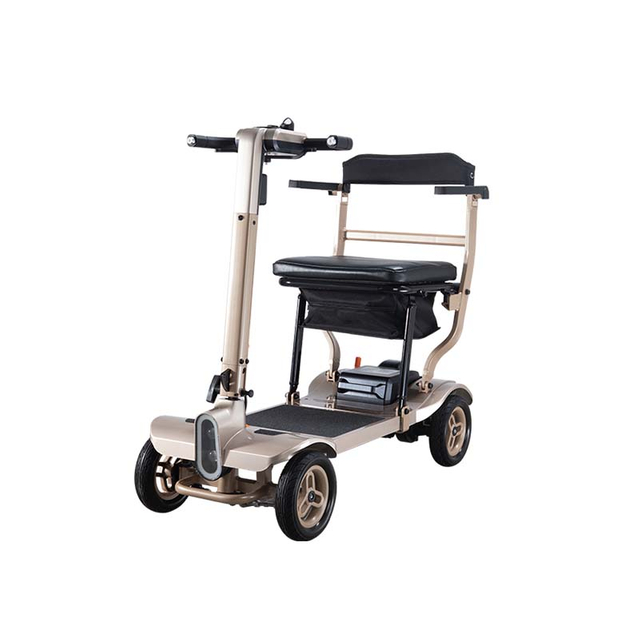
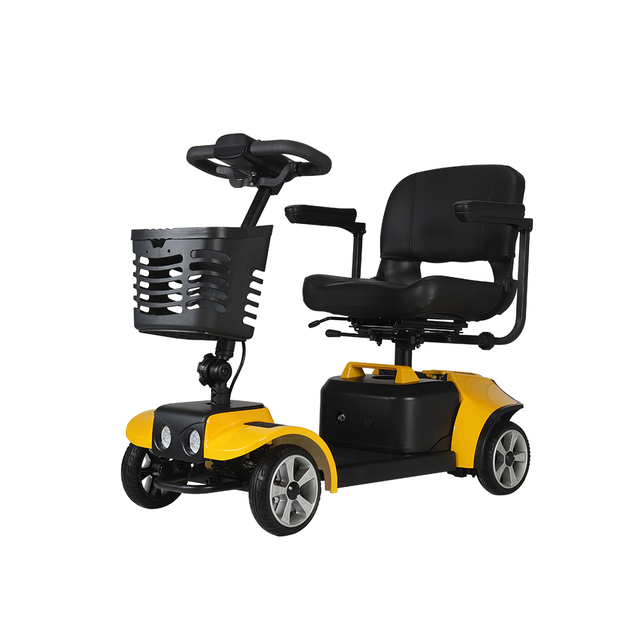
A motorized wheelchair is a broad term that refers to any wheelchair that incorporates a motor to assist with movement. While the term "motorized" is often used interchangeably with "power wheelchair," motorized wheelchairs can sometimes refer to simpler models that are designed primarily for indoor use. These wheelchairs are typically lighter than power wheelchairs and are often designed for individuals with less severe mobility challenges.
Motorized wheelchairs are generally simpler in design compared to power wheelchairs. They often come with a joystick control for easy maneuverability, and the features are less customizable. These wheelchairs are ideal for individuals who require basic assistance to move around indoor spaces like homes or offices. The focus of motorized wheelchairs is on ease of use and portability rather than advanced features or outdoor capability.
Motorized wheelchairs are best suited for individuals who primarily need assistance in indoor environments. They are a great option for people with mild mobility impairments, such as those recovering from surgery or individuals with conditions like osteoarthritis who experience fatigue when using a manual wheelchair. These wheelchairs offer enough support for basic movement without the complexity of more advanced models.
Feature | Description |
Tilt-in-Space Function | Allows the user to recline the seat for comfort |
Joystick Controls | Provides easy navigation for users with limited mobility |
Adjustable Seating | Customizable to fit the user’s posture needs |
Advanced Suspension | Ensures a smooth ride on rough or uneven surfaces |
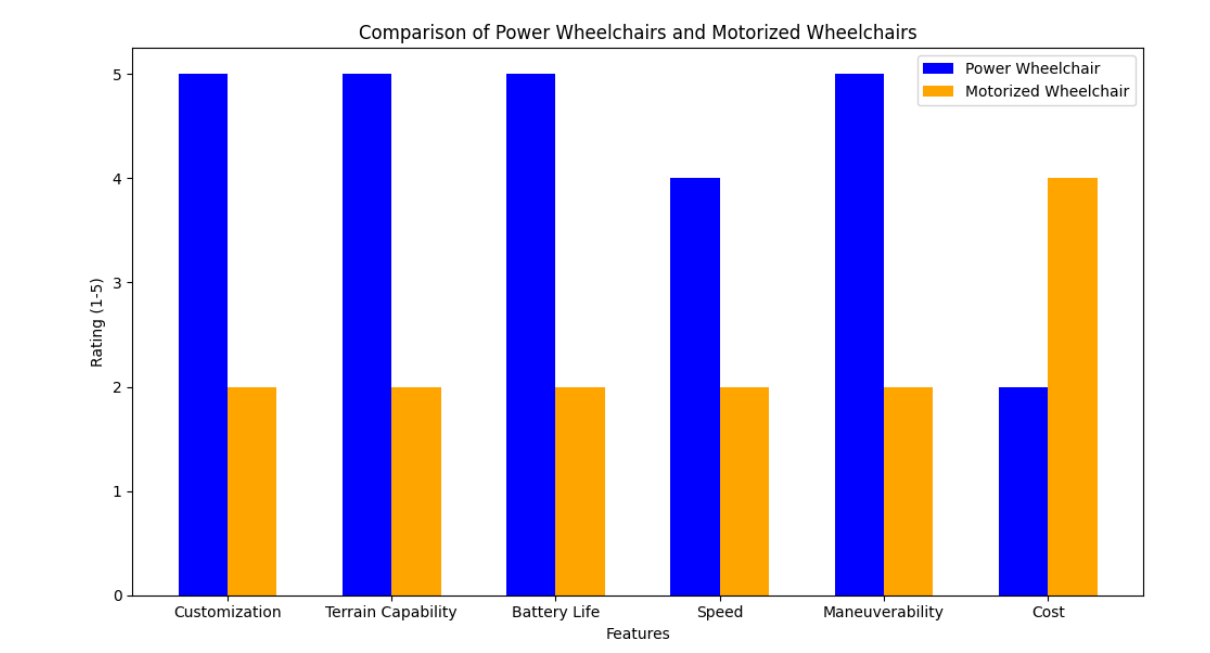
Power wheelchairs offer a high degree of customization, which allows users to adjust various elements of the wheelchair for optimal comfort and support. This includes features like adjustable seating positions, customizable footrests, and specialized control systems. In contrast, motorized wheelchairs are less customizable, focusing on providing straightforward mobility with fewer options for adjustments. This makes them simpler and more affordable, but less adaptable to users with specific needs.
Power wheelchairs are specifically designed to handle a wide range of terrains. Whether indoors or outdoors, power wheelchairs are equipped with sturdy wheels and suspension systems that allow them to traverse uneven surfaces, gravel, and grass. This makes them highly versatile for individuals who spend time in both indoor and outdoor environments. On the other hand, motorized wheelchairs are primarily designed for smooth indoor surfaces. While they can handle flat outdoor terrain, they may struggle with rougher surfaces or uneven pathways, limiting their outdoor use.
Power wheelchairs typically offer longer battery life and higher speeds than motorized wheelchairs. These wheelchairs are built for extended outdoor use, with batteries designed to last for several hours, making them ideal for long trips or daily use. In contrast, motorized wheelchairs usually have smaller batteries, which means shorter usage times and lower speeds. Their batteries are sufficient for short indoor trips but may require frequent recharging for long-term use.
Power wheelchairs are designed to provide excellent maneuverability in tight spaces and challenging environments. The control systems are often more sophisticated, allowing users to easily navigate narrow hallways, crowded areas, and uneven terrain. Motorized wheelchairs, being lighter and simpler, are typically more compact, making them easy to maneuver indoors. However, they may lack the agility required for navigating more complex outdoor environments.
Feature | Power Wheelchair | Motorized Wheelchair |
Customization | Highly customizable | Limited customization |
Terrain Capability | Can handle rough terrains outdoors | Best for smooth indoor surfaces |
Battery Life | Longer battery life for extended use | Shorter battery life for indoor use |
Speed | Faster speeds for long trips | Slower speeds, best for short indoor distances |
Maneuverability | More versatile in tight spaces | Less agile outdoors, but compact indoors |
Cost | Higher cost due to advanced features | More affordable, simple design |
Power wheelchairs often incorporate advanced technologies such as sensors, tilt-in-space mechanisms, and even smartphone integration. These features allow for better posture management, pressure relief, and a more comfortable experience for users who require long-term wheelchair use. Some models include smart technology that can monitor the user's health, adjust the wheelchair settings remotely, and even sync with home automation systems for enhanced independence.
Motorized wheelchairs, by contrast, are designed with simplicity in mind. While they may lack the high-tech features found in power wheelchairs, they are perfect for individuals who need a straightforward, reliable mobility solution. Their controls are usually more intuitive, requiring minimal training, making them an excellent choice for users who need basic mobility assistance.
Due to their advanced features, customizability, and outdoor capabilities, power wheelchairs tend to be more expensive than motorized wheelchairs. The higher price reflects the complex design, durable construction, and ability to handle various terrains. Additionally, the cost of maintaining power wheelchairs, including repairs and battery replacements, may also be higher.
Motorized wheelchairs are generally more affordable than power wheelchairs. Their simpler design means fewer customization options and lower manufacturing costs. For individuals on a budget or those who only need basic indoor mobility, motorized wheelchairs can be an economical choice. However, while the upfront cost is lower, motorized wheelchairs may have higher long-term costs in terms of battery replacements and repairs.
When considering either type of wheelchair, it's important to check insurance coverage. Some insurance plans may cover the cost of power wheelchairs, especially if the individual has a medical condition that requires advanced mobility aids. Motorized wheelchairs, being less complex, may also be covered but may require less justification of medical necessity. It's advisable to consult with a healthcare provider or mobility specialist to understand the insurance process and what is covered.
Choosing between a power wheelchair and a motorized wheelchair largely depends on your specific needs and lifestyle. Key factors to consider include the extent of your mobility challenges, the environments where you will be using the wheelchair, and your budget. Power wheelchairs are ideal for individuals who require long-term mobility assistance and need to navigate both indoor and outdoor spaces. Motorized wheelchairs are better suited for those who primarily need help moving around indoors and have less severe mobility impairments.
If you have significant mobility impairments and need a wheelchair for both indoor and outdoor use, a power wheelchair is likely the best choice. These chairs provide the advanced features and durability required for long-term, full-time use. On the other hand, if you only need occasional assistance or primarily use the wheelchair indoors, a motorized wheelchair may be more appropriate.
It's important to consult with a healthcare provider or mobility specialist before making a decision. These professionals can assess your specific mobility needs and recommend the most suitable wheelchair type for your situation. They can also guide you in choosing the right features, ensuring that the wheelchair meets your functional requirements.
In summary, power wheelchairs and motorized wheelchairs differ in customization, versatility, and use. Power wheelchairs offer advanced features and customization, ideal for those with severe mobility impairments. Motorized wheelchairs, while simpler, are best for those needing basic indoor mobility assistance. Zhejiang Nysin Vehicle Co., Ltd. offers innovative solutions to meet diverse mobility needs, ensuring comfort and independence with their high-quality products.
A: The main difference lies in their features. A power wheelchair offers more customization and is designed for both indoor and outdoor use, while a motorized wheelchair is simpler, suited for basic indoor mobility, and typically more affordable.
A: Motorized wheelchairs are generally designed for indoor use. They may handle smooth outdoor surfaces but are not built for rough terrains, unlike power wheelchairs, which are more versatile for both indoor and outdoor environments.
A: Power wheelchairs are typically better for long-term use due to their advanced features, better comfort, and ability to handle various terrains. They are ideal for users with more complex mobility needs.
A: Motorized wheelchairs are generally more affordable than power wheelchairs. Prices vary depending on the model and features, but they are typically cheaper due to simpler designs and fewer customization options.
A: Motorized wheelchairs offer fewer customization options compared to power wheelchairs. Power wheelchairs, on the other hand, come with adjustable seating, footrests, and other specialized features tailored to user needs.