Views: 0 Author: Site Editor Publish Time: 2025-12-30 Origin: Site
Choosing between a manual wheelchair and a powered wheelchair can be overwhelming. While both assist mobility, they function quite differently. Manual wheelchairs rely on physical effort, while power wheelchairs are motorized for ease. In this article, we will explore the key differences, advantages, and considerations to help you make an informed decision about your mobility needs.
A manual wheelchair is a type of mobility aid that requires the user to propel it by using their arms or with assistance from a caregiver. These chairs are typically lightweight, simple in design, and offer a high level of portability. They consist of a sturdy frame, large rear wheels, and smaller front wheels. Users can move the wheelchair by pushing the rear wheels or using hand rims, which are attached to the wheels to allow more control. Manual wheelchairs are often ideal for individuals who can use their upper body strength but may not require constant mobility support.
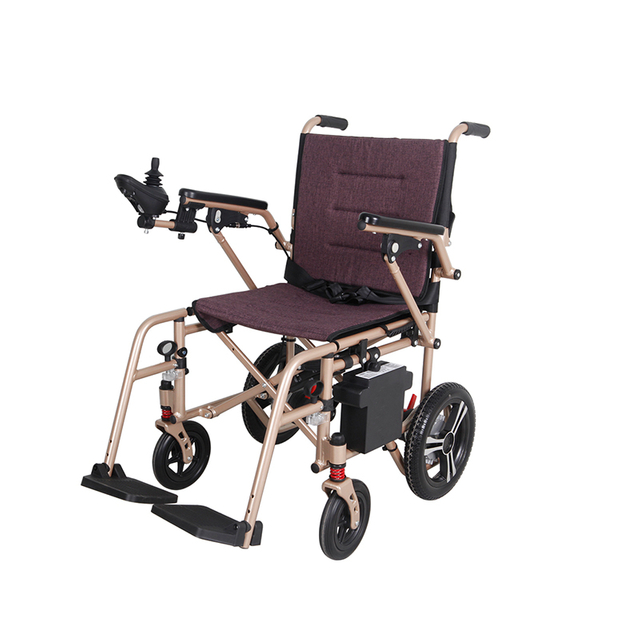
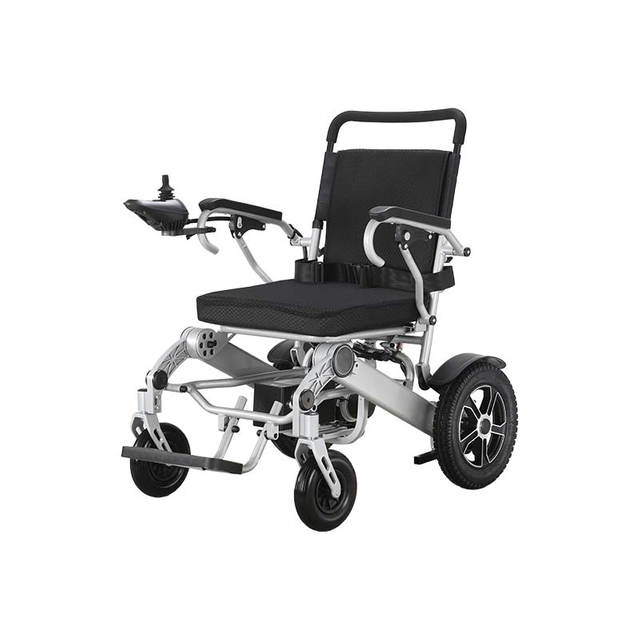
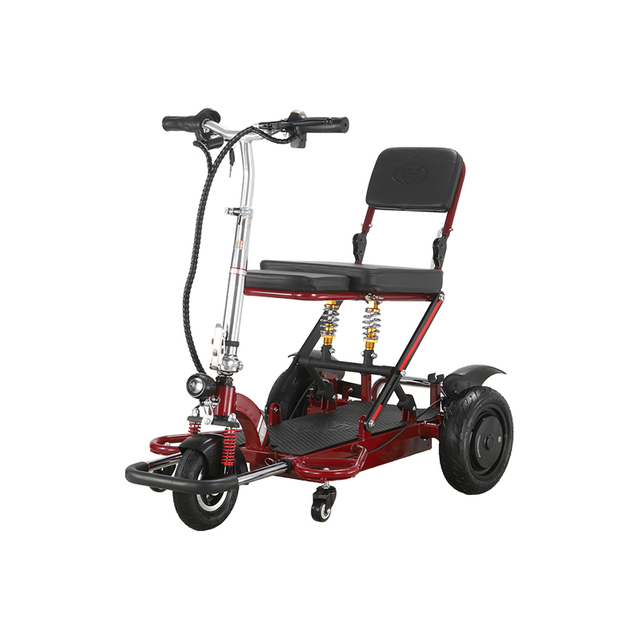
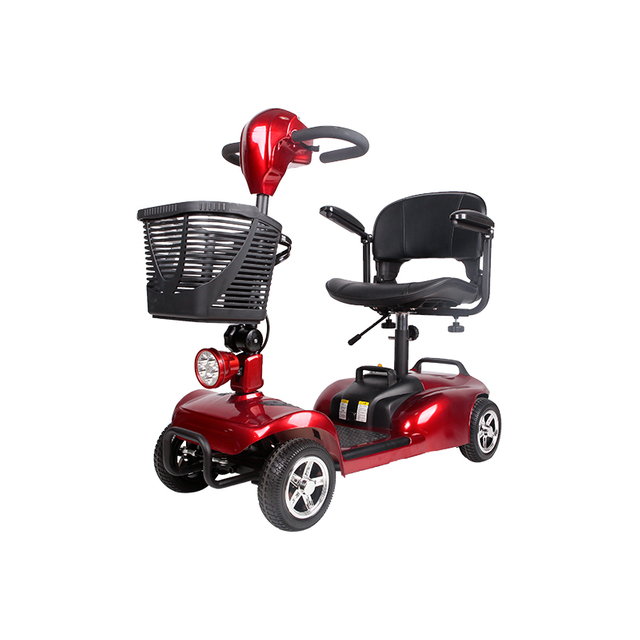
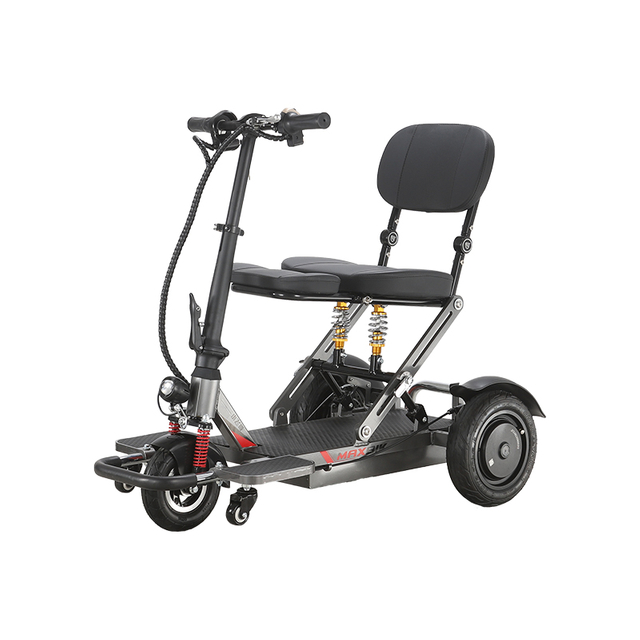
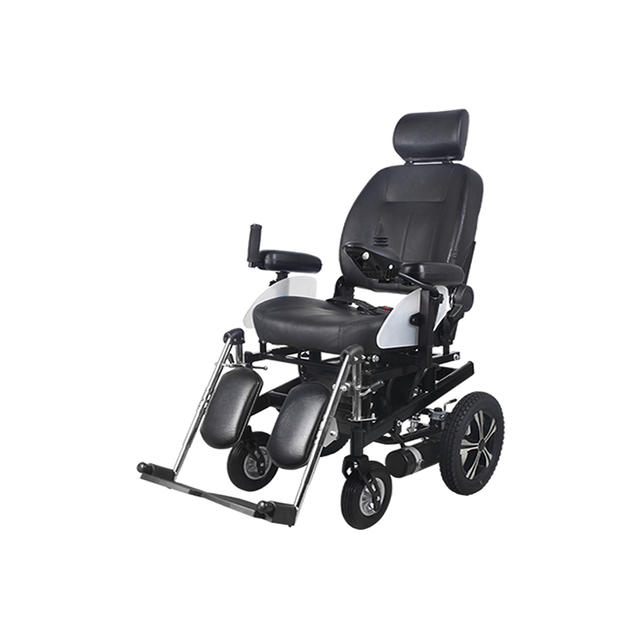
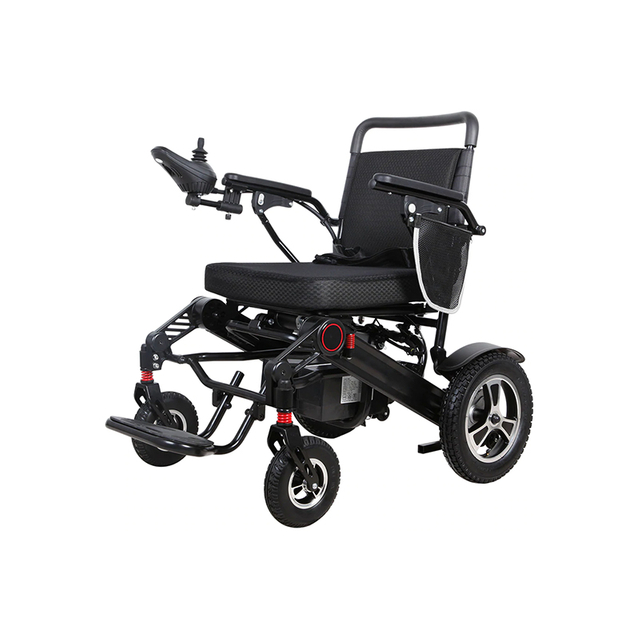
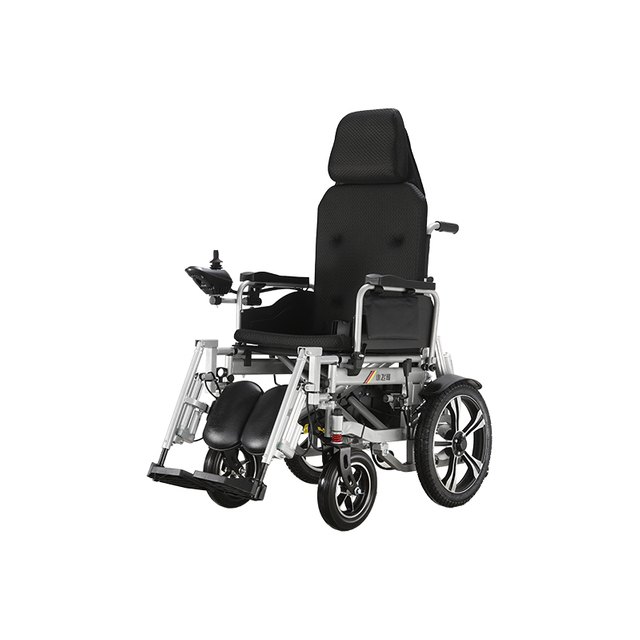
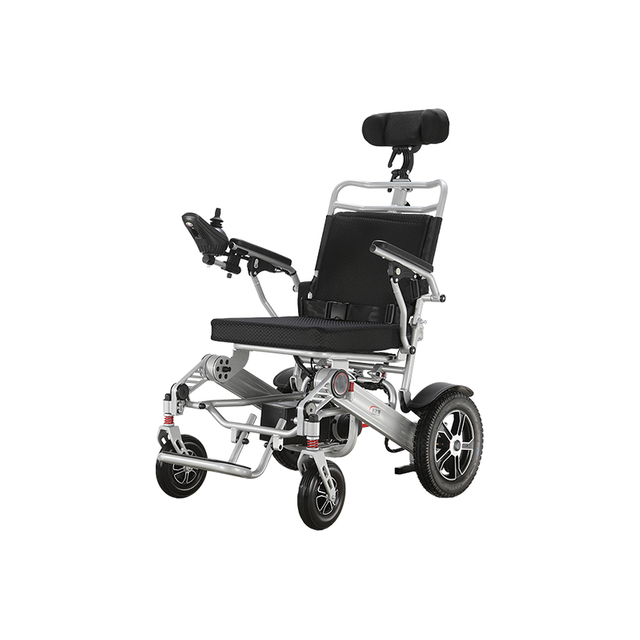
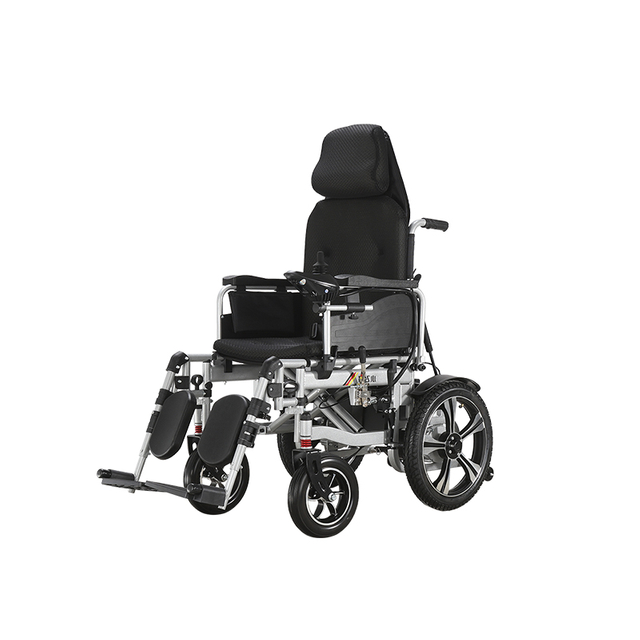
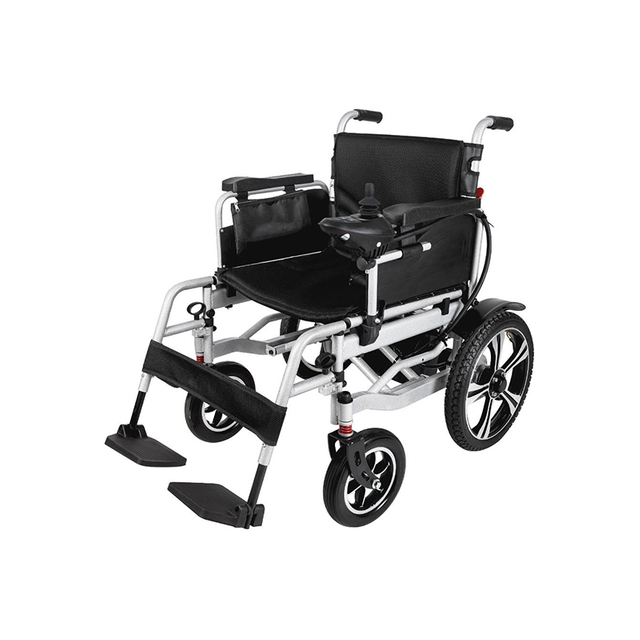
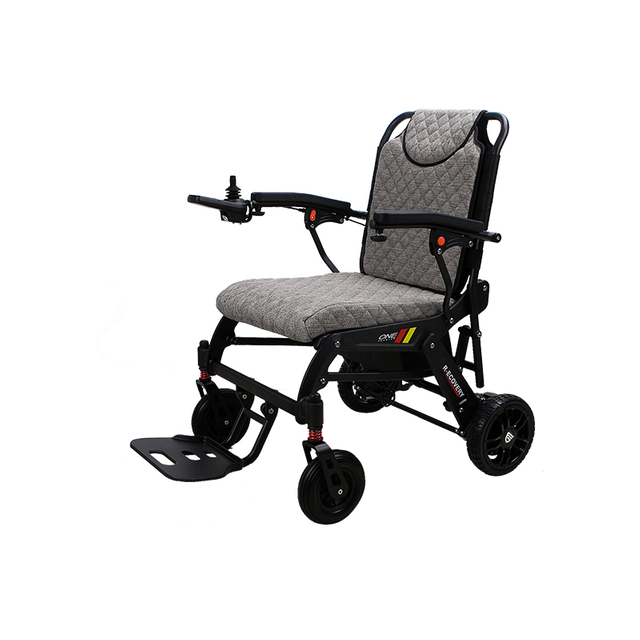
Powered wheelchairs, also known as power wheelchairs, are designed for individuals who need more assistance with mobility. These wheelchairs are propelled by a battery-powered motor, and users control them with a joystick or other control devices. Powered wheelchairs are highly beneficial for individuals who have limited upper body strength, those who cannot operate a manual chair independently, or individuals who need assistance for long-term use. Powered wheelchairs offer customizable features such as adjustable seating and recline options, making them adaptable to the user’s specific needs.
The primary difference between manual and powered wheelchairs lies in how they are propelled. Manual wheelchairs require physical effort from the user or a caregiver. The user must push the rear wheels to move, which can be exhausting, especially on rough terrain or for extended periods. In contrast, powered wheelchairs are motorized, allowing users to navigate independently without the need for physical exertion. This is particularly beneficial for individuals with limited strength or endurance.
Manual wheelchairs are generally much more affordable compared to powered wheelchairs. Powered wheelchairs involve advanced technology, including motors and batteries, which increase their cost. In addition to the initial cost, powered wheelchairs may require ongoing maintenance, such as battery replacement, which can add to the overall cost over time. Manual wheelchairs, on the other hand, are simple and cost-effective, making them a more accessible option for individuals on a tighter budget.
Powered wheelchairs provide greater independence for users compared to manual wheelchairs. With a powered wheelchair, users can move freely without needing assistance from others. This level of autonomy is especially important for individuals who cannot propel themselves in a manual chair due to physical limitations. Manual wheelchairs, however, often require assistance from others or the use of significant upper body strength, limiting the user’s independence.
Feature | Manual Wheelchair | Power Wheelchair |
Mobility | Requires physical effort from user | Motorized, minimal physical effort |
Cost | Generally lower cost | Higher upfront cost |
Portability | Lightweight, easy to fold and store | Bulkier, harder to transport |
Independence | Depends on user strength | Greater independence for users |
Terrain Suitability | Limited, struggles on rough terrain | Suitable for various terrains |
Maintenance | Low, no motor or battery | Higher due to battery and motor care |
Manual wheelchairs are often favored for their simplicity and portability. They are lighter than powered wheelchairs, making them easier to transport and store. These wheelchairs are cost-effective, with a lower initial price and minimal maintenance requirements. Manual wheelchairs also offer the benefit of providing physical exercise to the user. Pushing a manual wheelchair helps strengthen the upper body muscles and improves overall fitness, which can be particularly advantageous for individuals who want to maintain physical activity.
One of the major drawbacks of manual wheelchairs is the physical effort required to propel them. This can be challenging for individuals with limited upper body strength or those who need to navigate long distances or rough terrain. Additionally, manual wheelchairs are slower than powered models and may require assistance on inclines or uneven surfaces. While they are ideal for short distances and indoor use, manual wheelchairs may not be suitable for individuals who need constant or long-term mobility support.
Powered wheelchairs offer several advantages, primarily related to ease of use and mobility. They allow individuals with limited strength or mobility to navigate independently, without requiring assistance. These wheelchairs can be customized with various features like adjustable seating, tilt-in-space options, and reclining functions, enhancing comfort and posture. Powered wheelchairs are ideal for long-term use and provide the ability to cover greater distances with minimal physical exertion.
The primary disadvantages of powered wheelchairs include their higher cost and increased weight. Powered wheelchairs are typically bulkier and more difficult to transport than manual models, making them less ideal for travel or for users who need to store the chair in tight spaces. Additionally, powered wheelchairs require battery charging, and the battery life can be a concern for long trips or during power outages. Users must also consider the maintenance and repair costs associated with the motor and battery.

When deciding between a manual and powered wheelchair, it’s important to consider the individual’s mobility needs, physical strength, and lifestyle. For individuals with limited upper body strength or those who need constant mobility assistance, a powered wheelchair may be the best option. On the other hand, if portability, ease of storage, and occasional use are more important, a manual wheelchair might be the better choice. The environment in which the wheelchair will be used, whether indoors or outdoors, and the terrain it will need to navigate, are also key factors to consider.
Consulting with a healthcare provider or mobility specialist can help ensure that the right decision is made. These professionals can assess the individual’s mobility challenges and provide guidance on the most appropriate type of wheelchair based on medical needs and lifestyle. Trying out different models before making a decision is also advisable to ensure the wheelchair provides the necessary support and comfort.
Powered wheelchairs are ideal for individuals who have severe mobility impairments, such as those with spinal cord injuries, muscular dystrophy, or conditions that limit upper body strength. These wheelchairs are also suitable for individuals who need to navigate large distances or rough terrain, as they provide the necessary support to do so without physical exertion. For long-term use, a powered wheelchair offers the comfort and convenience required to enhance the user’s independence.
Condition/Need | Suitable for Power Wheelchair |
Limited Upper Body Strength | Helps users with weak arms or shoulders |
Long Distance Travel | Ideal for users covering long distances |
Outdoor Terrain | Best for uneven or rough terrains |
Long-Term Use | Provides comfort for extended use |
Manual wheelchairs are best suited for individuals who have good upper body strength and can manage short distances independently. They are a great option for users who need a lightweight, portable chair for occasional use or for traveling. Manual wheelchairs also offer the benefit of providing physical exercise, making them suitable for individuals who want to maintain or improve their upper body strength. For individuals with a limited budget, manual wheelchairs are a more affordable option.
Choosing between a manual and powered wheelchair depends on an individual’s needs, lifestyle, and budget. Powered wheelchairs offer enhanced independence and comfort, especially for those with limited strength. However, they come at a higher cost and are bulkier. Manual wheelchairs are more affordable and portable but require more physical effort. By understanding both options' pros and cons, individuals can make an informed decision. Zhejiang Nysin Vehicle Co., Ltd. offers high-quality powered wheelchairs that deliver both comfort and independence.
A: A manual wheelchair requires physical effort from the user or a caregiver for propulsion, while a power wheelchair uses a motor for movement, requiring minimal effort from the user.
A: Power wheelchairs offer greater independence and comfort, especially for users with limited strength. They are motorized, allowing easier maneuverability and longer distances with less physical effort.
A: Power wheelchairs generally cost more than manual wheelchairs due to their motorized components and advanced features, but they offer greater comfort and independence.
A: Yes, power wheelchairs are designed to handle various terrains, making them ideal for outdoor use, unlike manual wheelchairs which may struggle on uneven surfaces.
A: Yes, power wheelchairs are ideal for users with limited upper body strength, as they are powered by motors and require minimal effort from the user for movement.