Views: 0 Author: Site Editor Publish Time: 2023-10-09 Origin: Site
Electric wheelchairs, also known as power wheelchairs, are more than mobility devices. They represent independence, accessibility, and social participation for millions of users worldwide. As assistive technology continues to evolve, electric wheelchairs are reshaping how society views disability, inclusion, and equal opportunity.
This article explores how electric wheelchairs influence social participation, cultural perception, disability rights, accessibility infrastructure, and technological innovation.
For decades, disability was often viewed through a lens of limitation. However, modern electric wheelchairs have shifted this narrative.
Today, a power wheelchair symbolizes:
Independence and self-reliance
Active community participation
Personal freedom
Technological empowerment
Positive media representation and real-world visibility of motorized wheelchair users challenge outdated stereotypes. As more individuals with mobility impairments engage in work, travel, education, and public life, public perception continues to evolve toward inclusion and respect.
One of the most significant social impacts of electric wheelchairs is their role in promoting accessible infrastructure.
As demand increases, cities and businesses improve:
Wheelchair ramps and elevators
Barrier-free public transportation
Accessible restrooms
Inclusive building design
This progress aligns with the concept of universal design, benefiting not only wheelchair users but also seniors, pregnant women, and people with temporary injuries. Electric wheelchairs indirectly drive social change by encouraging governments and institutions to adopt more inclusive standards.
Mobility directly affects social connection. Without proper mobility support, individuals may experience isolation. A reliable motorized wheelchair allows users to:
Attend family gatherings
Participate in cultural events
Travel independently
Maintain employment
Continue education
By increasing physical mobility, power wheelchairs improve psychological well-being and reduce social isolation. This reinforces community integration and promotes equal participation in society.
Electric wheelchairs are closely linked to the global disability rights movement.
Advocacy efforts focus on:
Equal access to mobility aids
Insurance and healthcare support
Barrier-free policy enforcement
Anti-discrimination awareness
The visibility of electric wheelchair users strengthens calls for fair treatment and equal opportunity. As assistive mobility devices become more advanced and widely available, social systems adapt to better support people with disabilities.

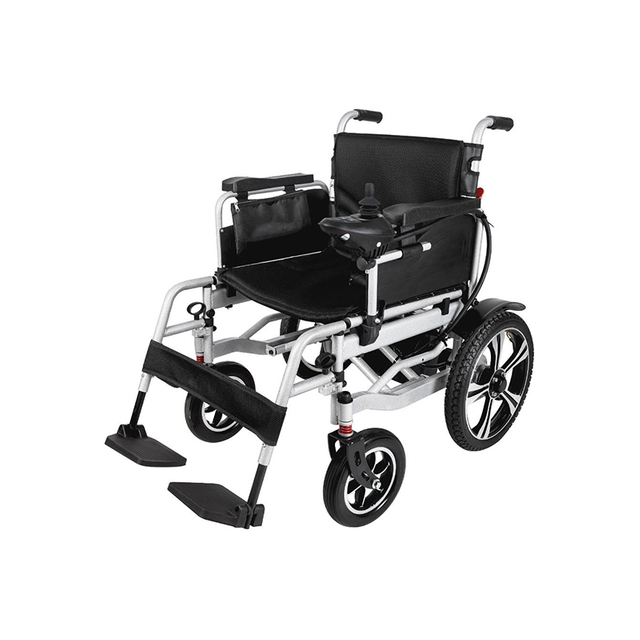
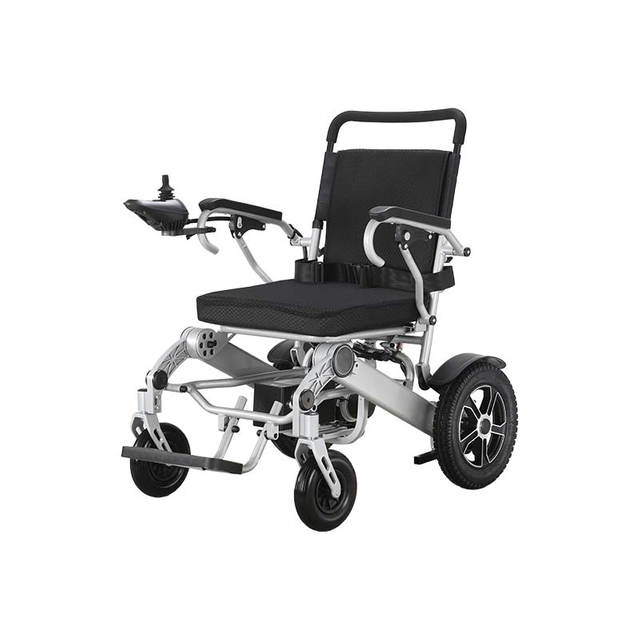
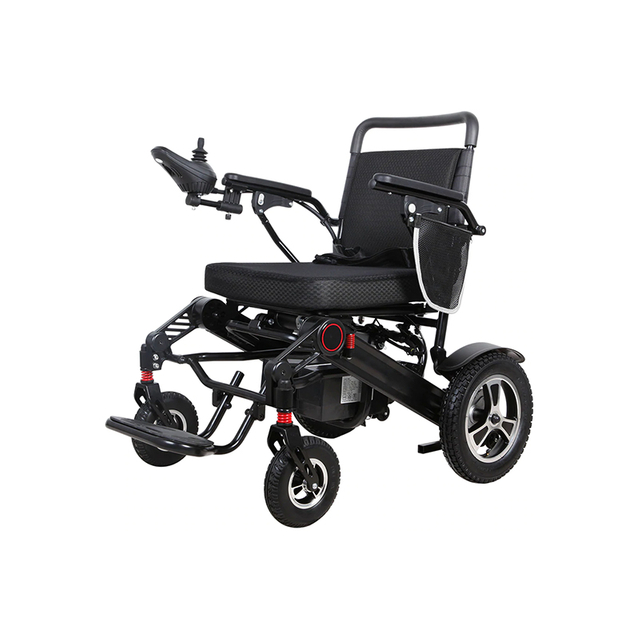
Modern electric wheelchairs integrate advanced technologies such as:
Lithium battery systems
Intelligent joystick controllers
Brushless dual motors
Lightweight aluminum alloy frames
Folding and travel-friendly designs
Innovation not only improves user experience but also reflects society’s commitment to inclusive engineering. Smart mobility solutions demonstrate how technology can enhance independence while promoting dignity and cultural acceptance.
Electric wheelchairs do far more than assist with movement—they actively contribute to social equality, urban development, cultural awareness, public policy evolution, and technological progress. By enabling independent mobility, power wheelchairs help users participate fully in community life, education, and employment, strengthening inclusive social structures. Their growing presence encourages cities to improve accessible infrastructure and inspires policymakers to advance disability rights initiatives.
At the same time, ongoing innovation in smart electric wheelchair technology reflects society’s commitment to dignity, accessibility, and equal opportunity. More than medical devices, electric wheelchairs are powerful tools of empowerment shaping a more inclusive future.
There is no functional difference between an electric wheelchair and a power wheelchair, as both terms describe a motorized mobility device operated by a battery-powered system and joystick control.
Electric wheelchairs promote social inclusion by enabling users to move independently, participate in community activities, access public spaces, and engage in education and employment without relying heavily on others.
Many modern electric wheelchairs are designed for both indoor and outdoor environments, especially models equipped with durable frames, brushless motors, and larger wheels for better terrain adaptability.
Electric wheelchairs require routine maintenance such as battery care, tire inspection, and controller checks to ensure safe operation and extend the lifespan of the mobility device.
Electric wheelchairs are transforming everyday life in ways that go far beyond transportation. They open doors to education, careers, social connection, and independent living, while encouraging communities to rethink accessibility and inclusive design. As technology advances, these mobility solutions continue to redefine what participation and equality look like in modern society.
At Zhejiang Nysin Vehicle Co., Ltd., we are committed to developing reliable and innovative electric wheelchairs that support real-world mobility needs. Whether for urban commuting or daily independence, our solutions are designed to empower users and contribute to a more accessible future.