Views: 0 Author: Site Editor Publish Time: 2026-04-29 Origin: Site


Have you ever wondered how people with limited mobility continue to live independently? A mobility scooter is the key to achieving just that. These scooters provide users with the ability to move freely, whether for shopping, socializing, or outdoor activities. In this article, we will explore what a Mobility Scooter is used for, how it benefits users, and how to choose the right one for your needs.
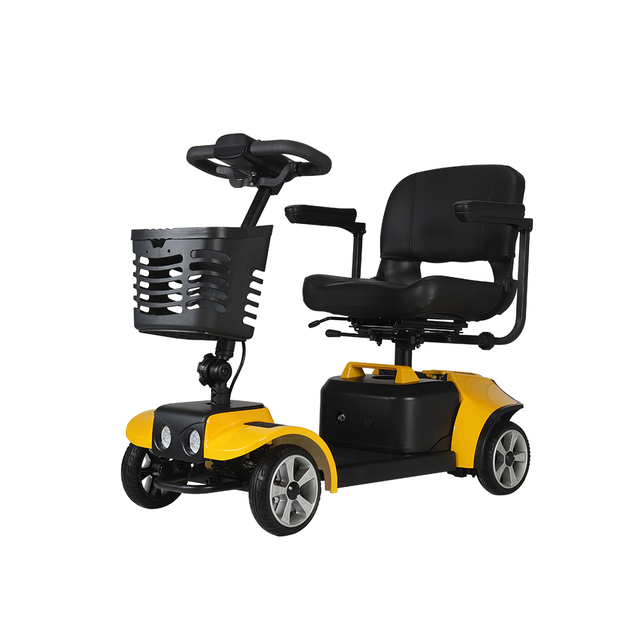
A mobility scooter is a battery-powered vehicle designed to assist individuals with limited mobility. These scooters allow users to navigate through areas with ease, providing a reliable alternative to walking for those who experience difficulty due to age, injury, or disability. Unlike a traditional wheelchair, mobility scooters are typically powered by an electric motor, offering enhanced range and speed.
A mobility scooter differs from other mobility aids such as walkers and wheelchairs in key ways:
Walkers require the user to exert force and walk to move forward, while scooters are electric and require minimal physical effort.
Wheelchairs, although similarly used for seated movement, lack the same independent mobility and can be difficult to navigate long distances without assistance, unlike scooters that are designed for longer travel and independent operation.
Mobility scooters are ideal for those who need a convenient, efficient way to travel short to moderate distances, while still maintaining independence and comfort.
There are several types of mobility scooters, each designed to meet specific needs and preferences. Below is an overview of the most common types:
Type | Description | Best For |
|---|---|---|
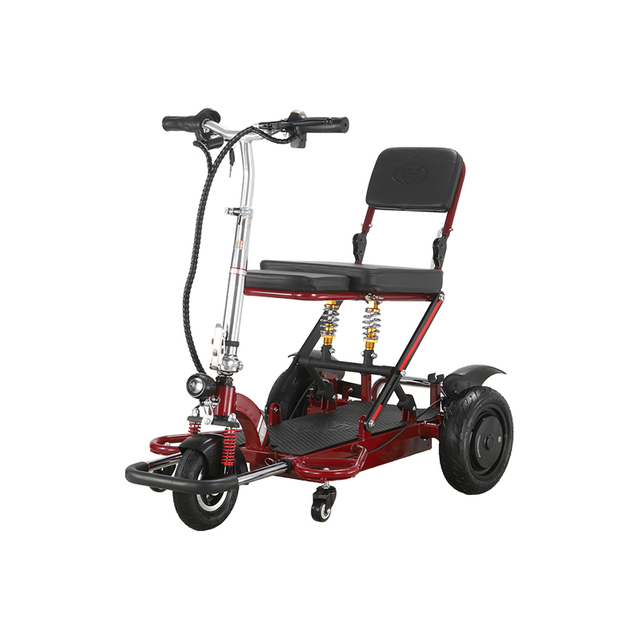
3-Wheel Scooters | These scooters have three wheels for better maneuverability. | Smaller spaces and tight corners. |
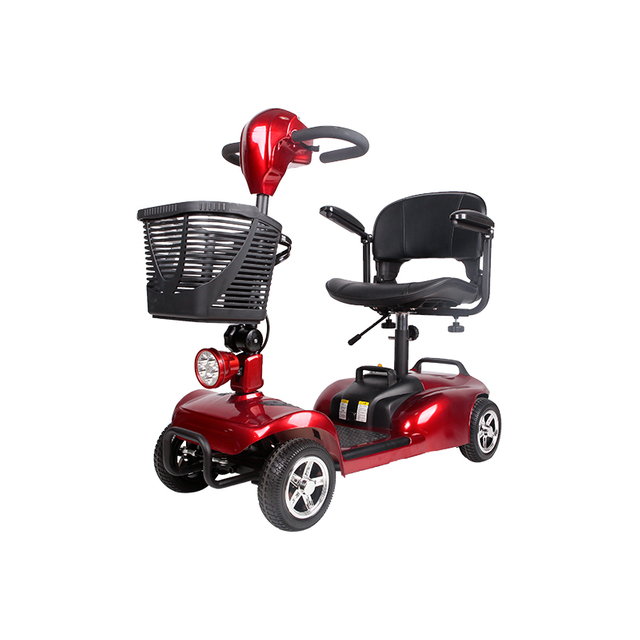
4-Wheel Scooters | These scooters have four wheels for better stability. | Outdoor travel, uneven surfaces. |
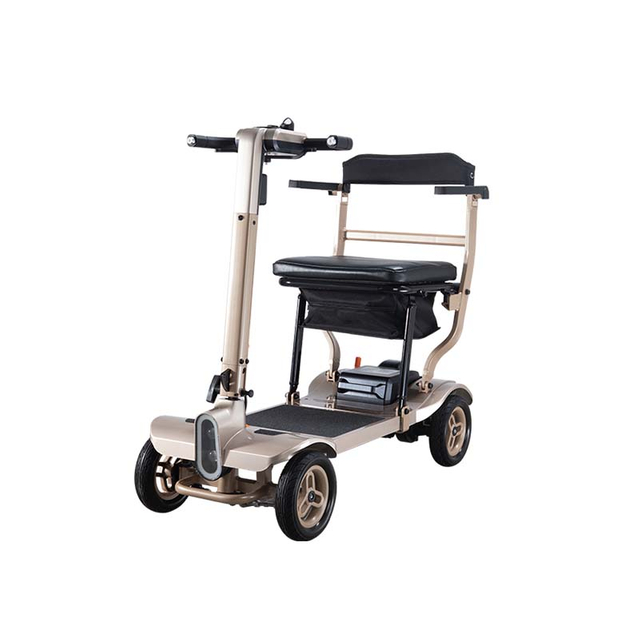
Folding Scooters | Compact scooters designed to fold for easy storage. | People with limited storage space or frequent travelers. |
Heavy-Duty Scooters | Scooters built with stronger motors and larger frames. | Larger users or those needing more durability. |
3-Wheel Mobility Scooters
The 3-wheel design is perfect for users who prioritize turning ability and easy navigation through tight spaces. They are ideal for moving around indoors or navigating areas with small spaces. However, they may not be as stable on uneven terrain or outdoor settings.
4-Wheel Mobility Scooters
On the other hand, 4-wheel scooters are designed for enhanced stability. These are great for users who plan to use their scooters outdoors, as the additional wheel provides greater traction and balance. They typically have a larger turning radius but are more stable when traveling over rough terrain.
Folding Mobility Scooters
Folding scooters provide a space-saving solution for users who need a scooter that can be stored in compact spaces, such as car trunks or closets. They are lightweight and easy to carry, making them an excellent choice for those who want portability. However, they often have smaller batteries and may not be as powerful or as comfortable for long trips.
Heavy-Duty Mobility Scooters
For users who require additional support, heavy-duty scooters are an excellent option. These scooters come with larger frames, more robust motors, and increased weight capacity. They are perfect for individuals who need a scooter for heavy-duty use, such as longer distances, rougher terrains, or users who weigh more than average.
These types of mobility scooters help ensure that there is a perfect solution for anyone’s needs, whether it’s for maneuverability, storage, comfort, or durability.
A mobility scooter is particularly beneficial for individuals who experience limited mobility due to various health conditions or physical challenges. Seniors who struggle with age-related health issues often find mobility scooters essential for maintaining their independence. These scooters allow them to continue daily activities such as shopping, attending appointments, or simply moving around the house or neighborhood without relying on others.
Additionally, people with disabilities or those who have limited movement in their legs due to physical impairments can greatly benefit from the convenience of a mobility scooter. The electric-powered scooter helps users who may find walking difficult due to weak leg muscles, joint pain, or instability.
For individuals recovering from surgery, mobility scooters offer a means to regain independence while avoiding strain on healing limbs. Whether recovering from hip surgery, knee replacement, or other orthopedic procedures, a scooter can reduce the risk of falls and provide a safer option for mobility.
Key Benefits for Limited Mobility Users:
Regaining independence for daily activities.
Reduced strain on joints and muscles.
Enhanced safety and mobility during recovery periods.
Several medical conditions can make walking difficult and create the need for a mobility scooter. Here are some common conditions that affect mobility:
Condition | Effect on Mobility | Why a Scooter Helps |
|---|---|---|
Arthritis | Pain, swelling, and stiffness in the joints. | Mobility scooters reduce joint strain. |
Spinal Cord Injuries | Limited movement or paralysis in the lower body. | Provides stability and ease of movement. |
Stroke Recovery | Weakness or paralysis on one side of the body. | Helps regain some independence in movement. |
Chronic Pain | Persistent pain in muscles or joints. | Reduces pressure on painful areas. |
These conditions often make it hard for individuals to walk long distances or stand for extended periods. A mobility scooter offers a reliable way to move around comfortably, reducing the physical strain and improving daily functionality.
Some individuals who enjoy an active lifestyle may still need a mobility scooter for assistance. For example, people who love walking but find themselves getting tired or experiencing pain over longer distances can benefit from a scooter. While these users are not entirely dependent on a mobility aid, a scooter can provide the necessary support for long walks, grocery shopping, or exploring large areas.
This is especially relevant for individuals who enjoy being active outdoors but face fatigue or chronic pain during prolonged activity. A mobility scooter can help them maintain their activity level without overexerting themselves, offering the freedom to continue their pursuits without the fear of exhaustion or injury.
For these active individuals, the mobility scooter is more than just a mode of transport—it's a way to remain engaged in life, travel longer distances, and enjoy outdoor experiences, all while preserving their energy and well-being.
Examples of Active Users:
Outdoor enthusiasts with limited stamina.
Frequent travelers who need support on long trips.
Individuals recovering from long-term injuries or chronic conditions who still wish to be active.
When selecting a mobility scooter, one of the most important decisions is whether to choose a 3-wheel or 4-wheel model. Each type has distinct benefits that cater to different needs.
3-Wheel Scooters: Known for their superior maneuverability, 3-wheel scooters are great for users who need to navigate through tight spaces like indoor areas, aisles, and crowded environments. They tend to have a smaller turning radius, which makes them ideal for shopping malls or homes with limited space.
4-Wheel Scooters: These scooters offer better stability and support, making them the better option for outdoor use, especially over rough terrain or uneven paths. They are more reliable for longer-distance travel or outdoor errands like visiting parks or shopping centers. However, their larger turning radius means they might be less suited for smaller indoor areas.
Choosing the right type depends on the environments where you'll use the scooter most often. If indoor mobility is a priority, a 3-wheel scooter might be the best fit. For outdoor use or rougher surfaces, the 4-wheel model provides more stability.
Battery life is one of the most critical factors to consider when selecting a mobility scooter. The range of a scooter refers to how far it can travel on a single charge, which varies by model, motor power, and battery size.
Standard battery life typically ranges from 10 to 25 miles per charge, depending on the scooter type and terrain. If you plan on using your scooter for long distances or outdoor trips, consider models with larger battery capacities for extended range.
Factors Affecting Battery Life:
Terrain: Hills or rough terrain can reduce battery life.
Weight Capacity: Heavier users or additional loads will drain the battery faster.
Speed: Faster speeds consume more power.
Usage frequency: Daily use can impact battery longevity.
Battery Size | Typical Range | Recommended Use |
|---|---|---|
12V Battery | 10-15 miles | Short daily trips, indoor use |
24V Battery | 20-25 miles | Longer trips, outdoor use, errands |
48V Battery | 25+ miles | Extended outdoor travel, large distances |
If you plan to use the scooter for daily errands or short distances, a smaller battery may suffice. However, for frequent outdoor excursions or long-distance travel, choose a scooter with a larger, high-capacity battery.
When selecting a mobility scooter, comfort plays a key role in the overall experience. To ensure long-lasting comfort, pay attention to the following features:
Seat Quality: Look for a scooter with a well-padded seat and adjustable backrests. Some scooters even offer captain’s chairs that provide extra comfort for longer rides.
Suspension: A good suspension system absorbs bumps and shocks, making the ride smoother, especially when traveling over uneven surfaces. This is particularly beneficial for outdoor trips.
Legroom: Consider the amount of legroom the scooter provides. For individuals with longer legs, a model with adjustable footrests or a larger footplate may be necessary.
These comfort features help minimize discomfort during daily use and ensure a smoother, more enjoyable experience.
Storage and portability are significant factors to think about when purchasing a mobility scooter, especially for users with limited living space or who plan to travel with their scooter.
Folding Models: If storage space is a concern, folding scooters are an excellent choice. They can be compacted and stored in car trunks or small apartments, making them convenient for users who need portability. These models are especially beneficial for those who want to bring their scooters along on trips or store them in tight spaces.
Weight Capacity: The weight of the scooter itself impacts how easy it is to transport. Heavier models may be more durable, but they are also harder to lift and store. For users with limited strength, consider lightweight models that can be easily folded and placed in a vehicle for transport.
Portability is crucial for users who travel frequently or live in small spaces. Lightweight, folding models offer the best of both worlds—ease of transport and storage.
Mobility scooters are incredibly versatile and can be used in various indoor settings, providing individuals with the freedom to move easily throughout their home or other enclosed environments. For people with limited mobility, these scooters are invaluable in helping them maintain independence while performing daily tasks such as:
Home Use: Navigating around the house, moving between rooms, and accessing different levels of the home, especially for those with limited leg mobility or recovering from surgery.
Supermarkets and Stores: Many shopping centers and supermarkets now offer scooters for customer use, allowing people to shop for groceries or browse products without the need for long walks.
Public Buildings: Mobility scooters are commonly used in places like hospitals, malls, and museums, where walking long distances can be a challenge. The ability to easily navigate aisles and narrow hallways makes mobility scooters an excellent solution for indoor movement.
The compact 3-wheel scooters are often ideal for indoor spaces, as they provide superior maneuverability in tight spaces. On the other hand, 4-wheel scooters offer more stability and are better suited for larger indoor areas such as shopping malls and warehouses.
Mobility scooters are not only for indoor environments but also designed to help users navigate outdoor spaces with ease. Whether it's a stroll through the park or a trip down the street, these scooters offer the independence needed for short-distance travel, even on uneven surfaces.
Parks and Outdoor Areas: Many mobility scooters are equipped with larger wheels and more robust suspension systems, making them perfect for parks or walking trails where the terrain is less predictable.
Sidewalks and Paved Paths: Urban environments and suburban neighborhoods can be easily navigated with a scooter, making daily outdoor errands like visiting a local store or going to a doctor's appointment a breeze.
Public Spaces: Mobility scooters are commonly used for outdoor events, including festivals or community gatherings, where walking long distances or standing for extended periods would otherwise be challenging.
Outdoor Use | Best For | Mobility Scooter Type |
|---|---|---|
Parks and trails | Users who want to enjoy nature or outdoor spaces | 4-wheel scooters for stability |
Sidewalks and streets | Everyday errands and neighborhood trips | 3-wheel scooters for maneuverability |
Public events and festivals | Attending events with long distances or crowds | Folding or portable scooters for convenience |
The 4-wheel mobility scooters are particularly well-suited for outdoor use, offering more stability, especially on grass or uneven terrain. However, 3-wheel scooters can still be used outdoors for paved paths or lighter terrains, offering more flexibility.
For individuals who enjoy traveling or need to attend events away from home, many modern mobility scooters are designed to be travel-friendly. These scooters are compact, lightweight, and easy to fold, making them perfect for transporting in cars, trains, or even on airplanes.
Airline Travel: Some scooters are certified for use on airplanes, allowing passengers with mobility issues to travel comfortably. Once at the destination, the scooter can be used to explore local areas, from tourist attractions to shopping centers.
Vacation Trips: Whether it's a beach destination or a city tour, a mobility scooter ensures that individuals can continue to explore and participate in activities without feeling limited by their mobility.
Cruises and Resorts: Many resorts and cruise lines now offer special accommodations for scooter users, making it easier for them to enjoy vacation activities, dining, and entertainment options.
For travel, folding mobility scooters are often the most convenient. Their ability to compact into a small form means they can be stored in luggage compartments, hotel rooms, or rental cars, ensuring the user has a mobility solution at their fingertips, no matter the destination.
Having a mobility scooter designed for travel allows users to maintain their independence while still enjoying vacations, trips, and special outings. Whether it’s a cruise, a road trip, or a visit to a distant relative, a scooter ensures the journey remains smooth and accessible.
A mobility scooter is used to help people with limited mobility regain their independence, whether for daily tasks or outdoor activities. It is an ideal solution for seniors, people recovering from surgery, and those with chronic conditions. These scooters provide comfort, convenience, and flexibility for everyday movement, whether indoors, outdoors, or while traveling. SINOVEHICLES offers a range of mobility scooters that cater to different needs, with designs that prioritize comfort, stability, and portability. The company’s scooters help users maintain an active lifestyle with enhanced freedom and independence.
A: A mobility scooter helps individuals with limited mobility move independently, whether for shopping, social outings, or daily tasks.
A: It allows users to move freely without relying on others for transportation or assistance.
A: There are 3-wheel, 4-wheel, folding, and heavy-duty models to meet different needs and preferences.
A: The range depends on the model, but typically ranges from 10 to 25 miles, depending on battery size and terrain.
A: Yes, many mobility scooters are designed to be stable on sidewalks, parks, and public spaces, providing flexibility for outdoor travel.