Views: 0 Author: Site Editor Publish Time: 2026-04-29 Origin: Site


Have you ever wondered which mobility scooter is the best for your needs? With so many options available, choosing the right one can be overwhelming. In this article, we’ll guide you through the essential factors to consider when selecting a mobility scooter. You’ll learn about different types, key features, and how to pick the scooter that perfectly fits your lifestyle.
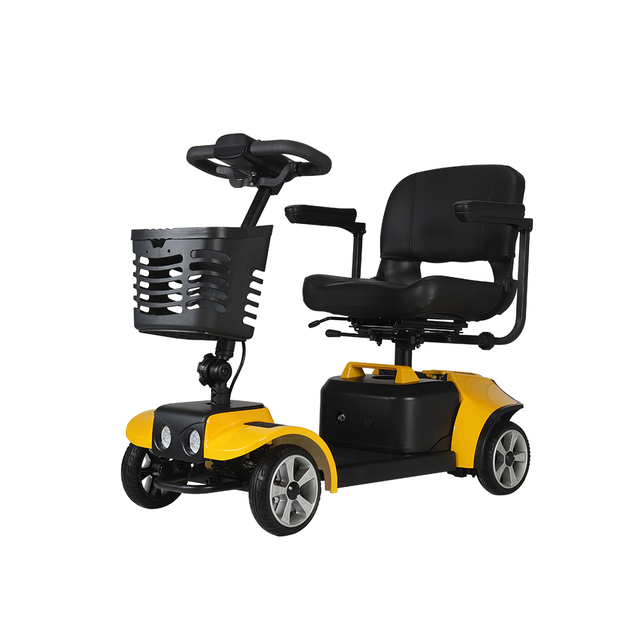
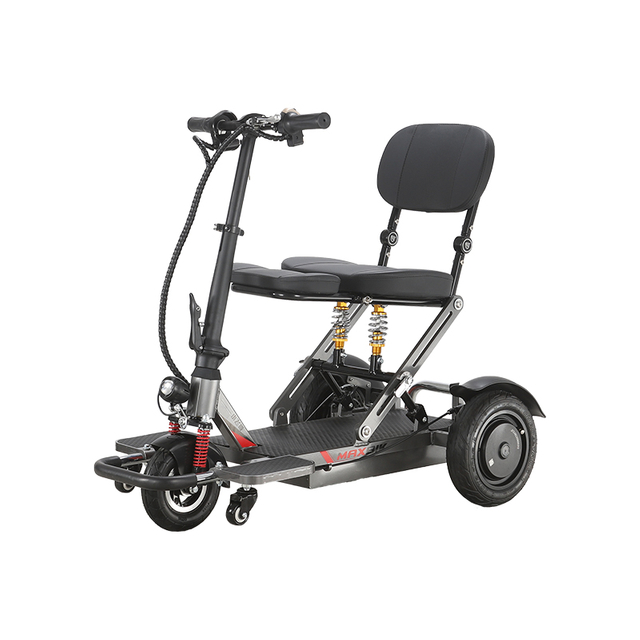
When selecting a mobility scooter, understanding the difference between 3-wheel and 4-wheel models is crucial, as each type has its own advantages depending on your mobility needs.
Stability:
4-wheel scooters generally provide greater stability than 3-wheel scooters. The added wheel provides better balance, especially when navigating uneven surfaces or longer distances. 3-wheel scooters, on the other hand, are typically more maneuverable but may feel less stable when turning or on inclines.
Turning Radius:
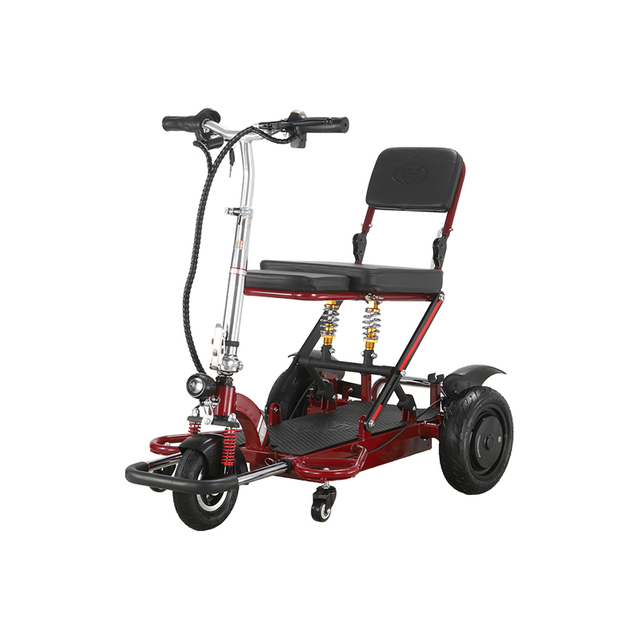
The number of wheels impacts the scooter’s turning ability. 3-wheel scooters have a tighter turning radius, making them ideal for use in narrow spaces such as indoors or crowded areas. They can easily navigate tight corners and smaller hallways. However, 4-wheel scooters, with a wider turning radius, provide more stability and are better suited for outdoor terrains or larger spaces.
Usage Scenarios:
3-Wheel Scooters are best suited for:
Indoor use or tight spaces
Shorter distances, shopping trips, or local errands
Maneuvering through narrow spaces like aisles or doorways
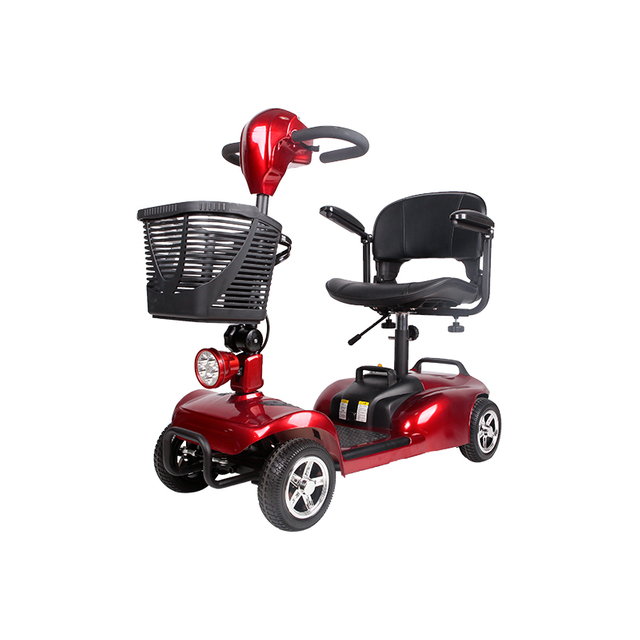
4-Wheel Scooters are better for:
Outdoor use or long-distance travel
Paved roads, curbs, and uneven surfaces
Users requiring extra stability during outdoor activities
Choosing between a travel mobility scooter and a heavy-duty model depends on how you intend to use the scooter.
Travel Mobility Scooters:
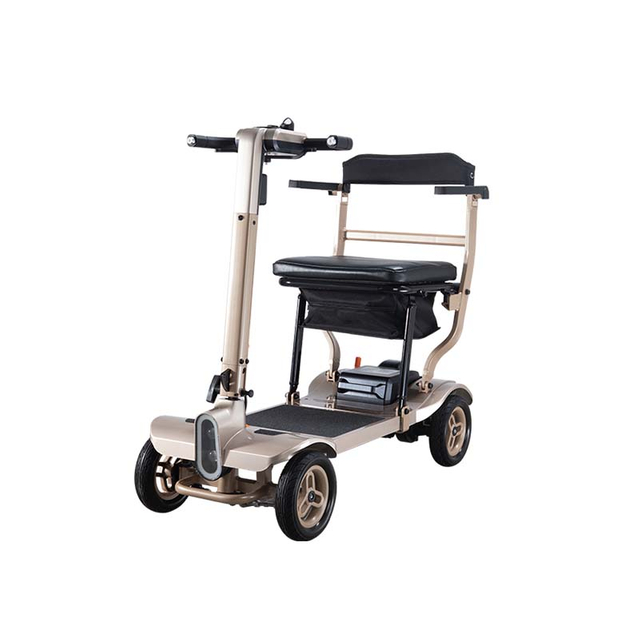
These are designed to be lightweight, compact, and foldable, making them perfect for users who need to travel frequently. They are ideal for shorter distances, like running errands, visiting family, or traveling in cars, buses, and airplanes. Despite their portability, they often come with smaller wheels and a reduced weight capacity.
Heavy Duty Scooters:
Built for durability and power, heavy-duty scooters feature larger wheels, a higher weight capacity, and enhanced motor power. These scooters are ideal for users who need to navigate rough outdoor terrains, such as gravel paths, grass, or hills. Heavy-duty models can carry more weight, offer a longer range, and are often used for longer daily trips.
When considering a mobility scooter, one of the most important factors is whether you need a folding or non-folding model. Each type offers distinct advantages based on your daily mobility needs.
Portability:
Folding scooters are often more portable and easier to store, especially for people who need to transport their scooter in a car. These models can easily be folded down to a more compact size, making them convenient for storage at home or during travel. Non-folding scooters, though less portable, typically offer more robust features and greater overall stability.
Storage and Convenience:
For people with limited storage space, a folding mobility scooter can be a real benefit. It fits into smaller areas, such as closets or car trunks, which is especially useful for individuals who are often on the go. Non-folding scooters, while more stable and powerful, may take up more space and are less convenient to transport.
When deciding between folding and non-folding models, consider how often you plan to transport the scooter and how much space you have for storage. If you require regular travel or have limited storage, a folding scooter may be your best choice. However, for everyday use and enhanced stability, a non-folding scooter could be a better option.

When choosing a mobility scooter, one of the most critical factors is the battery life and range, as it directly influences how far you can travel on a single charge. Understanding these details can help you match a scooter to your daily needs.
How Far Can You Go:
The battery range of a mobility scooter is one of the first things to check. Most scooters list their maximum range on a full charge, but it's important to consider factors such as your weight, terrain type, and speed. Typically, lightweight scooters are designed for short distances (around 10-20 miles), while heavy-duty models offer a longer range (up to 30-40 miles). If your daily routes are longer, you'll need a scooter with a higher range.
Charging Time:
Another factor is the charging time. Standard scooters typically take between 4 to 8 hours to fully charge, depending on the battery size. It’s important to factor this into your routine, especially if you need the scooter for regular use. Consider purchasing an extra battery if you're often on the go or need continuous use.
Considerations for Different Lifestyles:
Urban Users: If you're mainly using your scooter in the city, a scooter with a shorter range (up to 15 miles) may suffice.
Travel or Adventure Users: If you're planning to use your scooter for longer trips or outdoors, a longer battery range of 25 miles or more will ensure you don't run out of power during your journey.
Factor | Short Range Mobility Scooters | Long Range Mobility Scooters |
|---|---|---|
Typical Range | 10-20 miles | 25-40 miles |
Charging Time | 4-6 hours | 6-8 hours |
Best for | Indoor use, city travel | Outdoor use, long-distance travel |
Comfort is an essential consideration when selecting a mobility scooter, as it impacts your daily use experience. A scooter should be designed for long-term use with features that ensure a comfortable ride.
Seat Size and Adjustability:
The seat size is one of the most important factors for comfort. Choose a scooter with a seat large enough to accommodate your body comfortably. Many scooters offer adjustable seating, allowing you to customize the position to suit your comfort level. Look for a model with a padded, ergonomic seat if you plan to use the scooter for extended periods.
Control Type:
The type of controls on a scooter can significantly affect how easy and intuitive it is to operate. Joystick controls are commonly found on scooters and are great for people who need easy, precise handling. On the other hand, some models come with steering wheel controls, which may feel more familiar to users with traditional driving experience.
Suspension Systems:
Suspension systems are designed to make the ride smoother, especially on uneven surfaces. If you're using your scooter outdoors or on rough terrain, consider a model with an enhanced suspension system to absorb shock and reduce vibrations. This feature will provide a more comfortable ride, especially for people with sensitive joints.
When selecting a mobility scooter, weight capacity and size are crucial to ensure both comfort and safety during use. Make sure to choose a model that can comfortably support both your weight and any additional personal items you may carry.
Choosing the Right Capacity:
Each scooter model has a specified weight capacity that determines how much weight it can safely support. Exceeding this weight limit can cause instability or strain the motor, leading to malfunctions. It's essential to check the weight capacity and choose a scooter that meets your needs. For example, many scooters range from 250 to 500 lbs weight capacity.
Adjusting to Personal Size:
The seat dimensions and footrests should accommodate users of various heights and body types. If you're taller or shorter than average, look for a scooter with adjustable footrests or a seat with extra depth and width. Larger scooters often offer more space and better comfort for taller individuals, while compact models are better suited for shorter individuals.
The braking system is one of the most important safety features on any mobility scooter. Whether you are navigating through crowded public spaces or stopping on inclines, responsive brakes are essential for safe operation.
Types of Brakes:
There are two main types of braking systems used in mobility scooters: electro-mechanical and traditional brakes.
Electro-mechanical Brakes: These brakes use an electric motor to apply braking force. The advantage of electro-mechanical brakes is that they engage quickly and provide more responsive stopping power, especially when the scooter is moving at higher speeds or in emergency situations.
Traditional Brakes: These brakes are manually operated using a lever or pedal. While reliable, they can take longer to engage and may not be as effective when the scooter is moving faster.
Stopping Power:
The ability to stop quickly and safely is critical when navigating busy areas or moving downhill. Responsive brakes help reduce the risk of accidents, particularly when making quick stops in crowded environments like shopping centers or public parks. A scooter with quick and reliable braking can prevent injuries, ensuring that you remain in control at all times.
Anti-tip features are crucial for enhancing stability and preventing accidents while riding a mobility scooter. These features are especially important when navigating uneven surfaces or inclined paths.
Preventing Accidents:
Anti-tip wheels are small wheels placed at the back of the scooter to prevent it from tipping over when going uphill or navigating uneven terrain. These wheels help maintain the scooter's stability, ensuring that the user remains safe, even when there’s a sudden shift in balance.
How to Use Safely on Slopes:
Mobility scooters are often used on sidewalks, ramps, or inclines. It’s important to choose a model with adequate anti-tip features for handling slopes. Scooters with anti-tip wheels, improved weight distribution, and larger rear wheels provide more stability when going uphill, preventing tipping or falling backward. Additionally, some scooters have tilt-back features that prevent the scooter from leaning too far backward when climbing steep inclines.
For users who travel in low-light conditions or at night, lights and indicators become an essential feature for ensuring visibility and safety.
Night and Low-Light Visibility:
Built-in lights help make the scooter visible in dark or dimly lit areas. Whether you’re riding in the early morning or at dusk, having proper lighting increases visibility and helps you stay aware of your surroundings. Good lighting is crucial, especially for users who need to navigate roads or paths that may not be well-lit, ensuring they’re seen by others on the road.
Turn Signals and Indicators:
Turn signals and other indicators are key for signaling intentions when making turns or stopping. These features are especially useful in crowded spaces, such as parking lots or shopping centers. By using lights and turn signals, riders can communicate with pedestrians and vehicles, reducing the chances of accidents. Having these features installed on your mobility scooter makes it safer for both the rider and others nearby.
By ensuring that your mobility scooter has these essential safety features, you can enhance your overall security while navigating various environments. Whether you are traveling at night, on inclines, or through busy areas, these features ensure that you maintain full control over your mobility scooter at all times.
Choosing a mobility scooter is not just about the model or brand—it’s about selecting the right scooter for your specific lifestyle and frequency of use. Your needs will directly influence the type of scooter you should invest in.
Indoor vs. Outdoor Use:
One of the first considerations is where you'll primarily use your scooter.
Indoor Use: If you plan to use the scooter mainly indoors, you should look for a compact and lightweight model. These scooters are easier to maneuver through narrow doorways, hallways, and tight spaces. They usually have a smaller turning radius, which makes them ideal for indoor navigation.
Outdoor Adventures: For users who plan to use their scooters for outdoor travel, such as trips to the park, shopping centers, or longer distances, look for models that are more powerful and have a longer range. These scooters tend to have larger wheels, a wider base, and more stable 4-wheel designs for handling rougher terrain and uneven surfaces.
Frequency of Use:
How often you use your scooter plays a role in determining which model is best for you.
Daily Use: If you plan to use your scooter every day, comfort, durability, and battery life are key considerations. Daily users may prefer a heavy-duty model with features like better suspension and a higher weight capacity.
Occasional Use: For users who only need a scooter occasionally, a lighter, more portable model may be suitable. Consider scooters that are foldable for easy storage and can be used for short trips.
Budget and long-term maintenance costs are crucial factors when choosing the best mobility scooter. While the initial price is important, you should also consider the total cost of ownership, including maintenance, repairs, and battery replacement.
Affordability:
Mobility scooters vary greatly in price, depending on the features and build quality.
Basic Models: These are typically more affordable, usually ranging from $600 to $1,500. They’re suitable for users who need a simple scooter for short distances and indoor use.
Mid-Range Models: These scooters often fall between $1,500 and $3,000, offering a good balance between portability, comfort, and durability for both indoor and outdoor use.
High-End Models: Premium scooters can cost anywhere from $3,000 to $5,000 or more. These models are often packed with extra features like longer battery life, larger weight capacities, and better suspension systems for outdoor adventures.
Long-Term Costs:
While the initial investment is important, it's crucial to factor in maintenance costs.
Battery Replacement: Over time, the battery may need to be replaced, especially if the scooter is used frequently. High-quality batteries can cost between $200 and $500, depending on the scooter type and model.
Repairs: Basic scooters tend to have lower repair costs, while heavy-duty scooters may need more frequent servicing, such as suspension repairs or motor replacements.
Maintenance Services: Reliable brands that offer good customer service and warranties can save you from unexpected expenses. Choosing a well-established brand with strong after-sales support, like SINOVEHICLES, will ensure that you get the most out of your scooter in the long term.
Cost Factor | Basic Models | Mid-Range Models | Premium Models |
|---|---|---|---|
Initial Price | $600 - $1,500 | $1,500 - $3,000 | $3,000 - $5,000 |
Battery Replacement | $200 - $300 | $300 - $500 | $400 - $600 |
Repairs | Lower costs, basic service | Moderate repair needs | Higher repair costs |
By considering both affordability and long-term maintenance costs, you can ensure that you not only get a scooter that fits your budget now but also one that offers good value over the years.
Choosing the best mobility scooter involves considering factors such as usage, battery life, comfort, and safety. Whether you need a scooter for indoor use, outdoor travel, or frequent trips, SINOVEHICLES offers a wide range of scooters that cater to different needs. Their products stand out for their stability, lightweight designs, and reliable safety features, ensuring long-term comfort and independence. With a focus on high-quality manufacturing and customer satisfaction, SINOVEHICLES helps users find the perfect mobility scooter for their lifestyle.
A: A mobility scooter is designed to assist individuals with limited mobility in moving independently. It’s ideal for daily activities like shopping or outdoor travel.
A: The range of a mobility scooter depends on the model and battery capacity, typically ranging from 10 to 40 miles per charge.
A: Yes, 3-wheel scooters are ideal for indoor use as they are compact and maneuverable in tight spaces, like hallways and doorways.
A: For outdoor use, choose a 4-wheel scooter with a longer battery life, more powerful motor, and larger wheels to handle rough terrain.
A: Consider the scooter’s battery range, weight capacity, comfort, ease of use, and safety features to match your needs and lifestyle.