Views: 555 Author: Site Editor Publish Time: 2025-09-04 Origin: Site
Mastering a narrow wheelchair in tight spaces matters for your freedom and safety. You may find turning or transferring tough, especially if you’re new or lack strength. Many users struggle with crowded areas or steep ramps. With steady practice, you can boost your skills and feel more confident every day.
Practice simple wheelchair skills like going forward, backward, and turning. This helps you feel sure in small spaces. Always look around you and move toward obstacles slowly. This helps you avoid accidents and getting hurt. Pick a light wheelchair so it is easier to move. This makes it less hard on your body. You can use it longer and feel more comfortable.
Learning basic wheelchair skills helps you move with confidence, even in the tightest spaces. Let’s break down the most important moves you’ll need every day.
Start by practicing moving forward and backward in a smooth, level area. This helps you get used to how your wheelchair responds. When you move forward, keep your hands steady on the hand-rims. To stop, grip the rims and let them slide through your hands while leaning back a little. If you need to back up, lean forward slightly so you don’t tip over. You might notice the chair wiggles as the casters turn, but with practice, you’ll control this better. Try starting slow and picking up speed as you get more comfortable.
Tip: Practice in small spaces at home before trying busy places. This builds your confidence and sharpens your basic wheelchair skills.
Turning in tight spots can feel tricky. Use the hand-rims—pull back on one while pushing forward on the other—to spin in place. Adjust your footrests if you need more room. Here’s a quick table of turning tips:
| Skill | How It Helps |
|---|---|
| Shuttle Maneuvering | Move forward and back to reposition |
| Use of Casters | Makes tight turns easier |
| Hand-Rim Technique | Allows spinning in place |
Knowing your wheelchair’s size helps you judge if you can fit through a space. A chair that fits you well makes all these moves easier.
Always slow down in narrow areas. Watch for obstacles like cracks or small objects. If you use a joystick, move it gently to avoid sudden stops. Staying aware of your surroundings keeps you safe and helps you master basic wheelchair skills.
Navigating tight spaces with a narrow wheelchair can feel like a puzzle. You need to think ahead, stay aware, and use the right techniques. Let’s break down some common challenges and how you can handle them with confidence.
Doorways can be tricky, especially if they are narrow or have high thresholds. The Americans with Disabilities Act (ADA) recommends that doorways should be at least 32 inches wide when open. This width gives you enough space for safe wheelchair maneuvering.
When you approach a doorway, try these steps:
Position your wheelchair at a slight angle if you have trouble reaching the handle.
Grasp the handle, back up, and pull the door open so it swings past your chair.
Move forward slowly, keeping your hands on the rims for control.
Watch for thresholds. Some may be raised, so approach them head-on and use a little extra push to get over.
Tip: If you find a doorway too narrow, look for ways to widen it or ask about automatic door openers. These changes can make daily life much easier.
Here’s a quick table of home modifications that help with wheelchair maneuvering:
| Modification Type | Purpose/Description |
|---|---|
| Automatic door openers | Make it easier to get through doors |
| Wheelchair accessible doors | Give you more space for maneuvering |
| Ramps and rails | Help you cross thresholds and steps safely |
| Grab bars in bathrooms | Add support and safety |
| Lowered countertops and cabinets | Make kitchens easier to use |
Hallways and corners often feel tight, especially in older homes or crowded places. You want to keep your movements smooth and avoid bumping into walls.
Try these tips for better turning and maneuvering:
Slow down as you approach a corner. This gives you more control.
Use short, quick pushes on the hand-rims to make sharp turns.
If the hallway is narrow, keep your elbows tucked in and watch your footrests.
Practice turning in place by pushing one wheel forward and pulling the other back. This helps you spin around without needing much space.
Flooring matters, too. Smooth surfaces like tile or hardwood make wheelchair maneuvering easier. High-pile carpet can slow you down and make turning harder. If you can, choose low-pile carpet or smooth floors for better mobility.
Tight spaces often have clutter, furniture, or other obstacles. You need to stay alert and use smart techniques to get around them.
Steer around or straddle obstacles instead of going straight at them.
If you face a small bump or object, try popping your casters. Place both hands on the rims, give a moderate push, and lift the front wheels just enough to clear the obstacle.
For bigger bumps, approach slowly and stop a few inches before the obstacle. Pop the casters, lean forward, and push the rear wheels over.
Sometimes, you can use momentum. Move forward, pop the casters while rolling, and lean forward to help the rear wheels climb over.
When you see a gap or uneven surface, approach at an angle. This keeps three wheels on the ground and helps you stay balanced.
Note: Entryways with ramps, wider doors, and good lighting make wheelchair maneuvering in tight spaces much safer. If you can, ask about these changes at home or work.
With practice, you’ll get better at spotting obstacles and planning your moves. Every time you try a new space, you build skills that make turning and maneuvering easier next time.
You should stay safe when using your wheelchair. Small mistakes can cause injuries in tight spaces. Feet can slip off footplates and get hurt. Sometimes, legs get caught on doorframes. Many wheelchair users have had accidents. Most happen from bumping into things or turning wrong. Always check your feet before you move. Keep your path clear of stuff. Use good pushing techniques to avoid quick stops or sharp turns. Take care of your wheelchair often. Make sure brakes and anti-rollback parts work well. People who do maintenance get hurt less.
Tip: A wheelchair that fits you well helps you stay comfortable and safe. Adjustable seats also help you use different ways to move and stop.
Balance is very important in a narrow wheelchair. Practice balance by holding the wheels lightly. Try different ways to push yourself. Lean forward a little to change your center of gravity. Use just a few fingers on the rims to feel your balance. Practice on soft floors to learn how your chair moves. You can use your legs to help steady yourself when reaching. These tips help you stay upright and not tip over.
| Balance Practice | How It Helps |
|---|---|
| Light grip on wheels | Better hand movement |
| Leaning forward | Adjusts center of gravity |
| Practicing on soft floor | Safer learning environment |
Transfers can be dangerous if you hurry or skip steps. Put your wheelchair close to where you want to go. Lock the brakes before you start moving. This keeps your chair still and helps you control it. Move anything in the way between your chair and your goal. Use good lifting skills—bend your knees and lift with your legs. Do not use your back to lift. If you need help, tell others what you need. Practicing safe transfers helps prevent falls and injuries. You can ask a physical therapist for tips on the best ways to move for your body and chair.
Remember: Always lock your brakes before you transfer. This makes you safer and more confident.
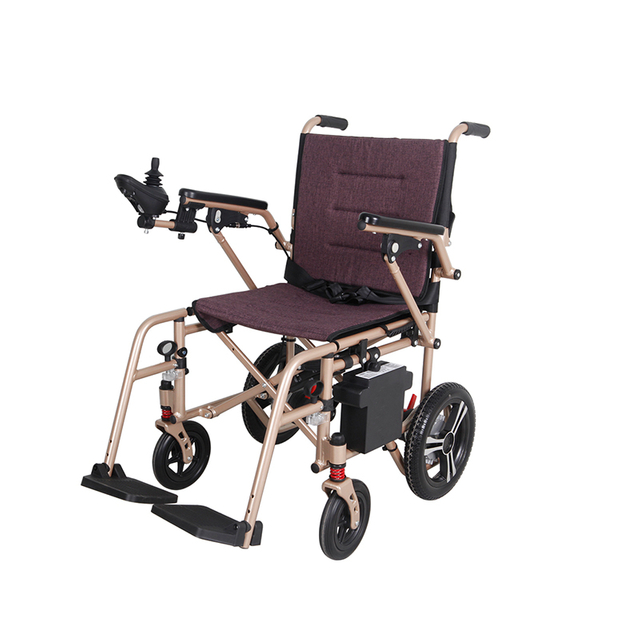
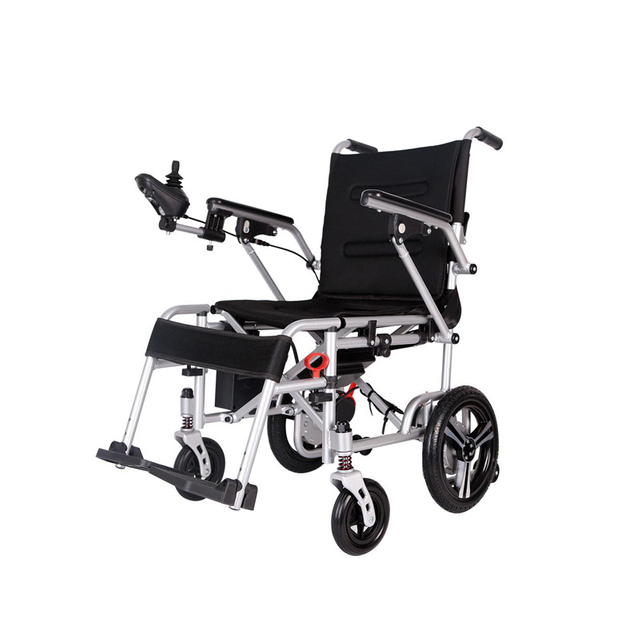
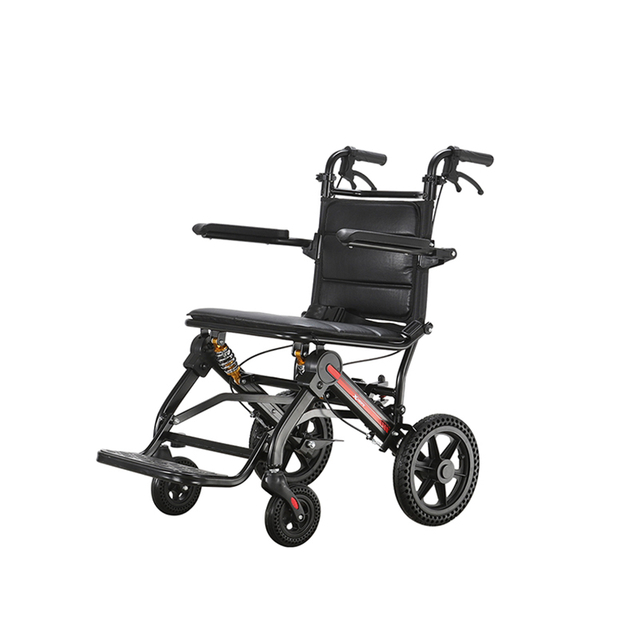
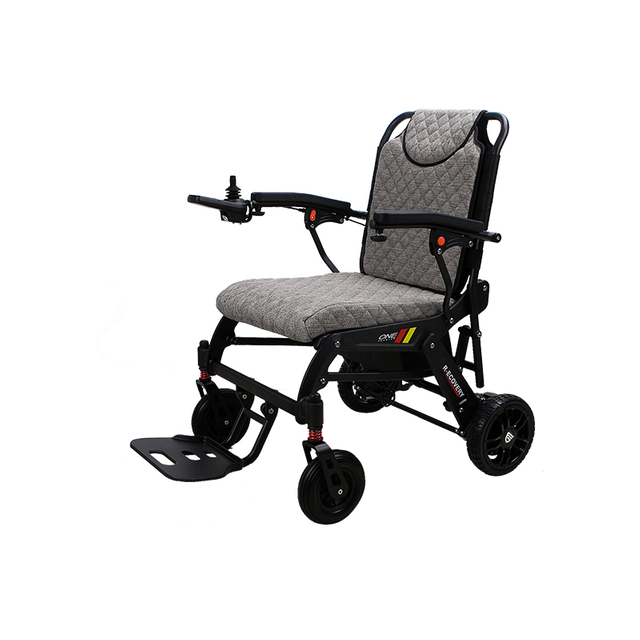
It is easier to move in small spaces with a lightweight wheelchair. The small frame helps you turn in tight places like hallways or kitchens. You can use turning tricks with less work, so you feel more in control. Many people say lightweight wheelchairs are easy to carry. This helps when you travel or go out. The compact design lets you fit through narrow doors and busy spots without hitting things.
Here are some things to look for when picking the best narrow wheelchair for easy movement and comfort:
Adjustable seat height and depth for comfort
Armrests you can remove or move for easy transfers
Different wheel sizes for handling different floors
Swing-away footrests for quick transfers
Reclining or tilting backrests for extra support
Cushions that lower pressure and add comfort
Right seat width for safety and easy use
Ergonomic seating and support for long-term comfort
Weight limit that fits your needs
A custom lightweight wheelchair gives you more choices to fit your body and life.
You will use less energy with a lightweight wheelchair. Regular wheelchairs are heavier and need more strength to push, especially in small spaces. Lightweight chairs make it easier on your arms and shoulders. You can roll farther and turn faster without getting tired. Moving a lightweight wheelchair uses about 17% less energy than a regular one. This means you can go longer and still feel good.
A narrow transport wheelchair with a compact shape and good weight balance helps you go up curbs or over rough ground. Adjustable parts help you find the best fit for comfort and easy use. The right lightweight wheelchair can really lower strain and make each day easier.
Tip: For the easiest use, pick small compact wheelchairs with adjustable parts and ergonomic seating. These features help you stay comfy and active all day.
You can master tight spaces with a narrow wheelchair by practicing often and starting with short trips.
Plan ahead and check for accessible spots.
Travel with a friend when you feel unsure.
Use online maps to scout places.
Every skill you learn boosts your confidence and independence. Keep going—you’ve got this!
You can move a lightweight wheelchair with less effort. It lets you use your skills to turn, stop, and fit through small spots without feeling tired.
Practice your skills every day. Try moving forward, backward, and turning in place. Use a lightweight chair to make learning these skills easier and more fun.
Yes! A lightweight chair responds quickly. You can practice your skills, like turning or stopping, and see results right away. This helps you build confidence.